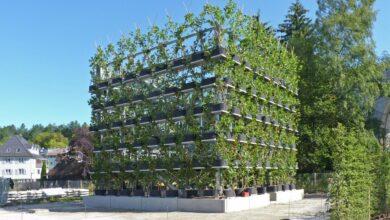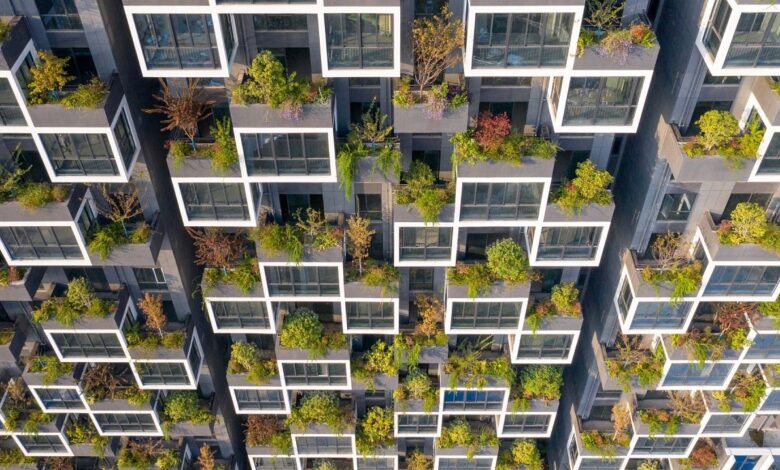
For centuries, the urban core has been a landscape defined by concrete and steel, a stark contrast to the natural world it often replaces. The relentless expansion of cities has come at a cost to the environment and, by extension, to human well-being. We have become disconnected from the very elements—trees, plants, and natural ecosystems—that have sustained us for millennia. However, a revolutionary and profoundly beautiful architectural concept is challenging this paradigm: the Vertical Forest. More than just a building with a few plants on a balcony, a Vertical Forest is a living, breathing ecosystem, a tower that integrates a dense layer of trees and shrubs into its facade. This is not merely a design trend but a powerful and scalable solution for urban reforestation, a blueprint for creating cities that are not just smarter and more connected, but also greener, healthier, and more resilient. This article will serve as a comprehensive exploration of the Vertical Forest, delving into the foundational principles that define it, the groundbreaking science and technology that make it possible, and the immense economic, environmental, and social benefits it promises to bring to the urban landscape. We will examine how this movement is reshaping everything from urban planning to our daily lives, proving that nature and the built environment can, and must, coexist in harmony.
The Foundational Principles
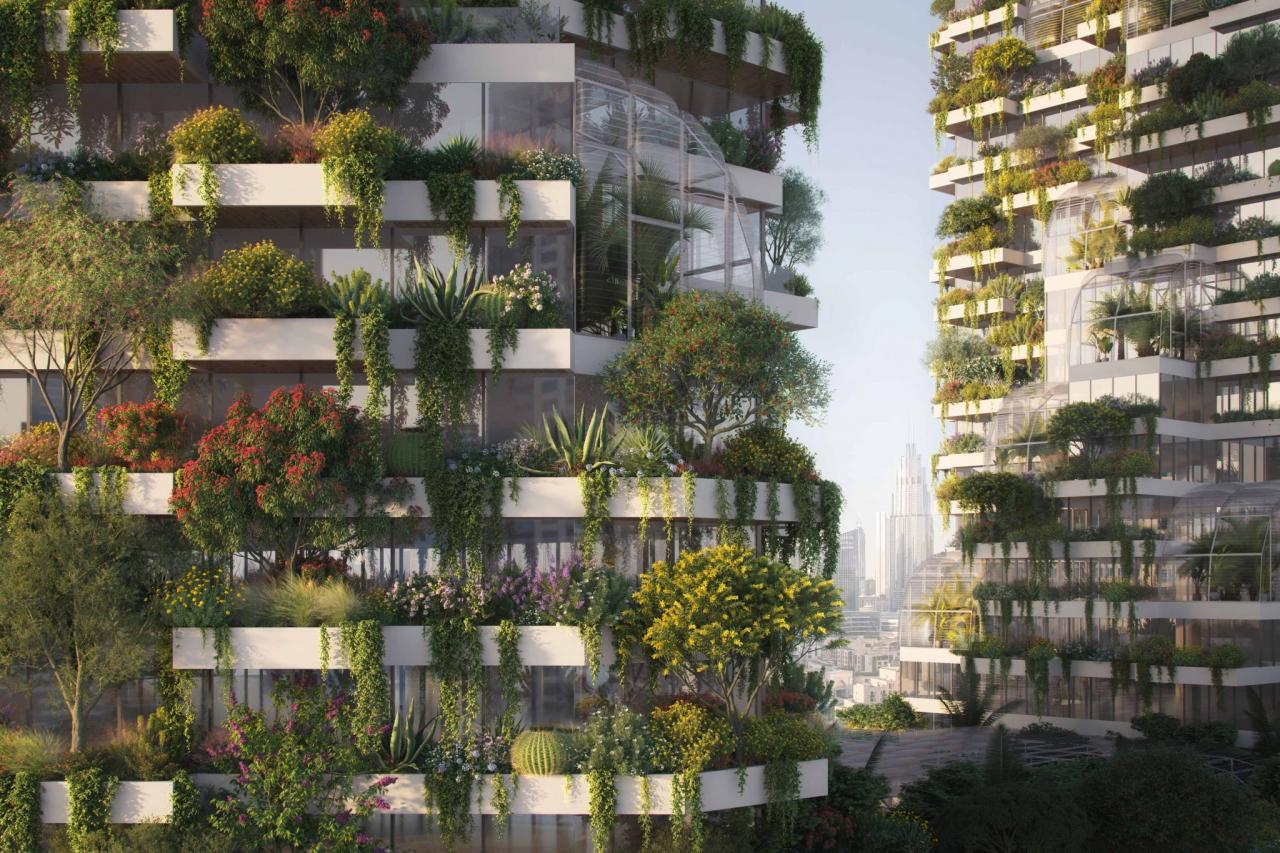
The concept of a Vertical Forest goes far beyond a superficial greening of a building’s exterior. It is built on a set of core principles that address the complex challenge of integrating a functioning ecosystem into a high-rise structure.
A. Biophilia as the Guiding Philosophy:
The primary philosophical driver is biophilia, the innate human affinity for nature. A Vertical Forest is a living testament to this principle, providing a direct, immersive experience of nature in a dense urban setting. The presence of a vast and diverse range of plant life on a building’s facade has a profound psychological impact on its occupants, reducing stress, improving mental clarity, and fostering a deep sense of well-being. It reconnects us to the natural world without requiring us to leave the city.
B. A Fully Integrated Ecosystem:
Unlike a traditional building, a Vertical Forest is a complex, integrated ecosystem. The plants are not just for show; they are a critical part of the building’s infrastructure. They act as a living filter for the air, a natural insulator, and a habitat for local wildlife, such as birds and butterflies. The design requires a sophisticated irrigation system that recycles water and a structural system strong enough to support the immense weight of the soil and the fully grown trees, even in high winds. The building’s architecture is, in essence, a living, breathing machine that works in tandem with the natural world.
C. Biodiversity and Microclimate Creation:
A single Vertical Forest can host an astonishing number of trees and shrubs, creating a hub of biodiversity in a concrete jungle. The different species of plants are carefully chosen to thrive in the local climate, creating a unique microclimate on the building’s facade. This dense foliage also acts as a powerful regulator, providing shade in the summer to reduce the need for air conditioning and insulating the building in the winter, leading to significant energy savings.
The Technology That Makes It Possible
Bringing a Vertical Forest to life requires a combination of architectural genius and cutting-edge technology that manages the immense complexity of a living high-rise.
A. Advanced Structural Engineering:
The structural system must be capable of supporting the immense load of hundreds of trees, thousands of shrubs, and the massive amount of soil required for their roots. This requires innovative engineering and the use of reinforced concrete slabs and specially designed balconies that can withstand the weight and the wind forces acting on the trees. The structure must be designed to allow for the growth and movement of the trees over time.
B. Smart Irrigation and Water Management:
A Vertical Forest requires a constant supply of water. The most sustainable solution is a closed-loop, smart irrigation system that collects and filters rainwater and recycles the gray water from the building’s sinks and showers. AI-powered sensors in the soil can monitor moisture levels and provide each plant with the precise amount of water it needs, minimizing waste and ensuring the health of the entire ecosystem.
C. The “Flying Gardener” and Maintenance:
The maintenance of a Vertical Forest is a unique challenge. Caring for hundreds of trees on a high-rise building requires a specialized approach. Some Vertical Forests have a dedicated team of “flying gardeners” who use rappelling equipment to access the plants, while others are exploring the use of drones and automated robots to monitor and maintain the health of the plant life. This is a new and emerging field of maintenance that is a critical part of the Vertical Forest’s long-term viability.
The Multidimensional Benefits
The benefits of a Vertical Forest extend far beyond its visual appeal. It is a powerful investment in a greener, healthier, and more resilient urban future.
Environmental Impact
- A. Air Pollution Reduction: The sheer volume of plant life on a Vertical Forest acts as a massive air filter, absorbing carbon dioxide, nitrogen oxides, and other harmful pollutants from the atmosphere. This is a critical tool in the fight against urban smog and can have a significant positive impact on local air quality.
- B. Urban Heat Island Effect Mitigation: The urban heat island effect, where cities are significantly hotter than the surrounding rural areas, is a major problem in many urban centers. The dense foliage of a Vertical Forest provides natural shade and releases water vapor through a process called evapotranspiration, which cools the surrounding air, helping to lower the urban temperature.
- C. Biodiversity Sanctuary: In a concrete landscape, a Vertical Forest becomes a haven for local wildlife. It provides a sanctuary for birds, insects, and other small animals, helping to restore a small piece of the biodiversity that was lost to urban sprawl. It is a powerful symbol of our ability to coexist with nature in a built environment.
Human and Economic Impact
- A. Improved Human Well-being: The biophilic benefits are undeniable. Studies on the Bosco Verticale in Milan have shown that residents report a deeper sense of well-being and a lower stress level. The simple act of living and working in close proximity to a dense, thriving natural ecosystem can have a profound impact on our mental health.
- B. Energy Efficiency and Cost Savings: The natural insulation and shading provided by the dense foliage of a Vertical Forest can lead to a significant reduction in a building’s energy consumption. This translates to lower utility bills for the residents and a smaller environmental footprint for the building’s owner.
- C. Increased Property Value: Buildings that are designed with sustainability and a connection to nature in mind are highly sought after in the real estate market. The unique and highly desirable nature of a Vertical Forest can lead to a significant increase in property value, making it a sound financial investment for developers.
Challenges and the Future Outlook
While the promise of Vertical Forests is immense, there are still challenges to be overcome on the path to widespread adoption.
- A. Cost of Construction: The initial cost of building a Vertical Forest is significantly higher than a conventional building due to the specialized structural engineering, irrigation systems, and the logistics of planting large trees on a high-rise. As the technology becomes more standardized, these costs are expected to come down.
- B. Maintenance and Long-Term Viability: The long-term maintenance of a Vertical Forest is a complex and expensive undertaking. Ensuring that the trees and plants remain healthy requires a dedicated team of experts and a significant long-term investment.
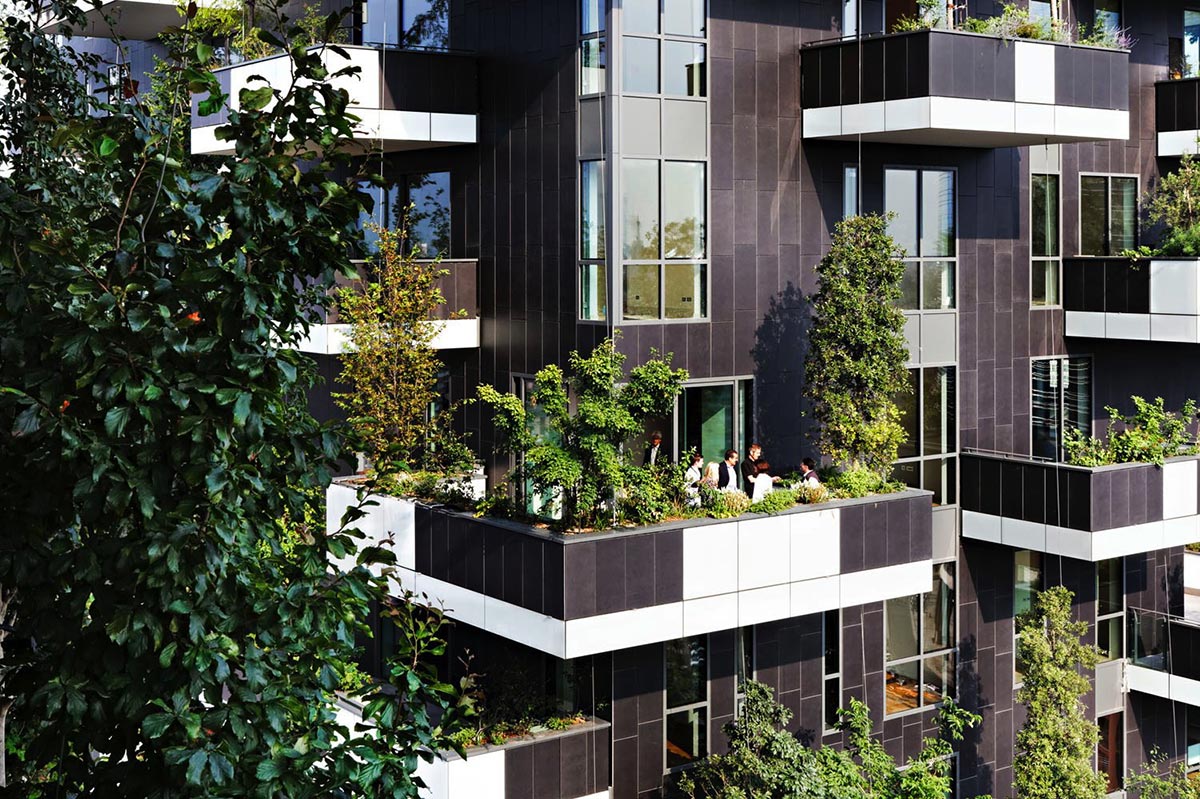
- C. The Question of Scalability: The Bosco Verticale in Milan is an iconic, one-of-a-kind project. The challenge now is to create a design and a model that is scalable, repeatable, and affordable enough to be applied in cities all over the world, not just as a luxury development.
Conclusion
The Vertical Forest is a powerful symbol of a new chapter in urban evolution. It is a profound and necessary response to a world that is becoming hotter, more crowded, and more disconnected from nature. It is a bold architectural statement that says our cities do not have to come at the expense of our planet. By weaving a living, breathing ecosystem into the fabric of a high-rise, it offers a scalable solution for urban reforestation, a new tool in the fight against climate change, and a powerful blueprint for creating a more humane and resilient urban future.
This is more than a design trend; it is a fundamental re-imagining of the purpose of architecture. It is a philosophy that recognizes that our buildings are not just inert structures but active participants in our ecosystem, and that they have a critical role to play in fostering a deeper connection between humanity and the natural world. The journey from a concrete jungle to a Vertical Forest will be a long one, but the benefits are undeniable. The cities of tomorrow will not be defined by their soaring skylines alone, but by the living, green ecosystems that rise up from them. This is the promise of the Vertical Forest: a future where the urban landscape is not just a place we live, but a place where we can truly flourish, in harmony with nature.