For too long, the construction industry has operated with a singular focus: efficiency and cost. This has resulted in a built environment that, while functional, is a major contributor to global climate change, resource depletion, and pollution. Buildings are responsible for a significant portion of global energy consumption and carbon emissions, making the need for a radical transformation undeniable. The old paradigm of “build, use, and demolish” is no longer tenable. A powerful new philosophy is emerging from this realization: sustainable building practices. This isn’t just a trend; it’s a fundamental shift in how we design, construct, and operate our built world, with a core focus on minimizing environmental impact while enhancing human well-being. This article will serve as a comprehensive exploration of sustainable building, delving into its foundational principles, the groundbreaking technologies driving its adoption, and the economic, social, and environmental benefits it promises. We will examine how this movement is reshaping everything from single-family homes to entire cities, moving us toward a greener, more resilient, and more equitable future.
The Foundations of a Green Building
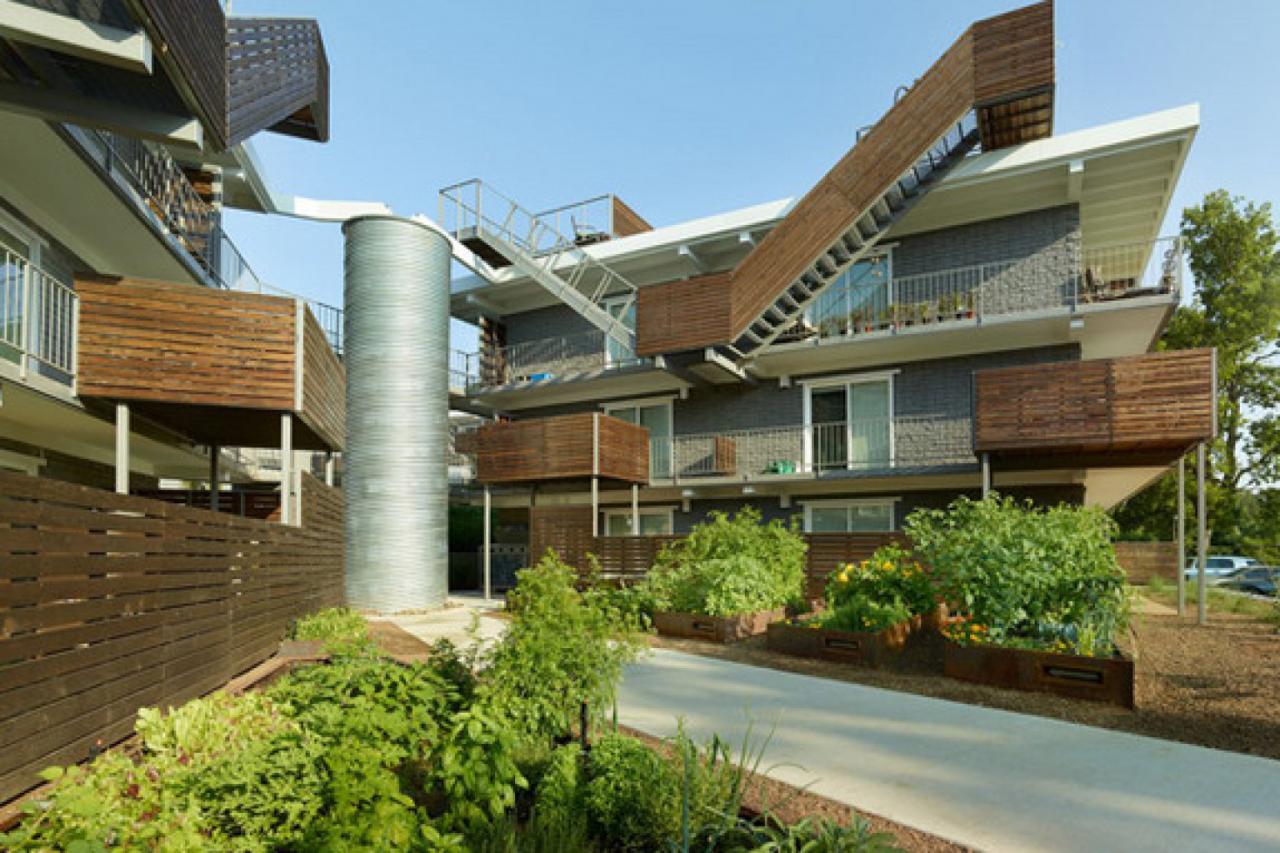
A truly sustainable building is not defined by a single feature but by a holistic approach that considers every phase of its lifecycle. This integrated strategy is built on three core pillars.
A. Passive Design: Working with Nature, Not Against It
Before any technology is introduced, a sustainable building begins with smart, passive design. This involves using the building’s orientation, form, and materials to naturally regulate its internal environment.
- Orientation and Solar Gain: A building’s placement is critical. By orienting a building to the sun, architects can maximize natural daylight for illumination and passive solar heating in colder climates. In warmer climates, smart orientation and shading devices can minimize heat gain, reducing the need for air conditioning.
- Natural Ventilation: Designing for natural airflow reduces reliance on energy-intensive mechanical ventilation. Features like strategically placed windows, atriums, and courtyards create a “chimney effect” that draws cool air in and pushes warm air out, keeping the building comfortable with minimal energy use.
- Thermal Mass: Using materials like concrete or stone that have a high thermal mass allows a building to absorb heat during the day and release it slowly at night, stabilizing indoor temperatures and reducing the need for constant heating and cooling.
B. Active Technology: Smarter Systems, Better Performance
While passive design is the foundation, active technologies are what elevate a building’s performance to the next level. These systems use smart technology to monitor and manage a building’s energy use in real time.
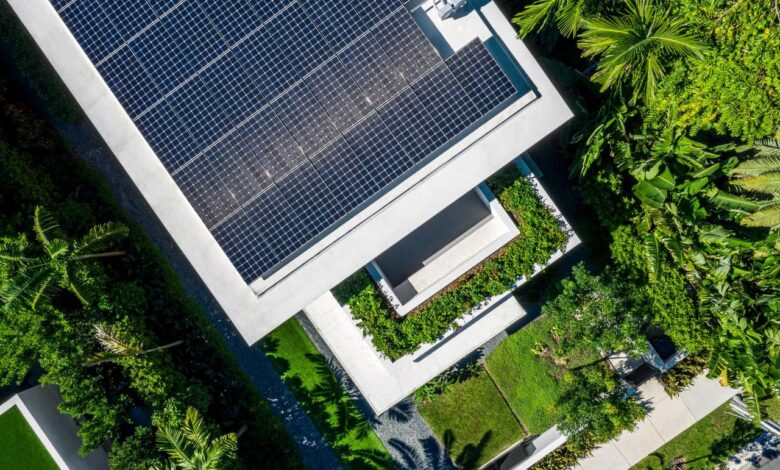
- Renewable Energy Integration: The most impactful active technology is the integration of on-site renewable energy sources, primarily solar panels. Advances in photovoltaic technology have made solar panels more efficient and affordable, allowing buildings to generate some, if not all, of their own power.
- Smart Building Management Systems: AI-powered building management systems can learn occupant behavior and adjust lighting, heating, and ventilation automatically. These systems can predict energy use, detect inefficiencies, and optimize a building’s performance in real time, often leading to significant reductions in energy consumption.
- Advanced Glazing and Insulation: High-performance windows and insulation are critical. Modern windows can have multiple panes with a gas fill, and low-emissivity coatings that prevent heat from escaping in winter and from entering in summer. This dramatically reduces a building’s heating and cooling load.
C. Material Selection: Building for a Circular Economy
The materials used in a building have a massive environmental footprint, from their extraction and manufacturing to their eventual disposal. Sustainable building prioritizes materials that are not only environmentally friendly but also contribute to a circular economy.
- Recycled and Reused Materials: The use of recycled steel, salvaged wood, and reclaimed brick reduces the demand for virgin resources and minimizes waste. This gives new life to old materials and significantly lowers a project’s embodied carbon.
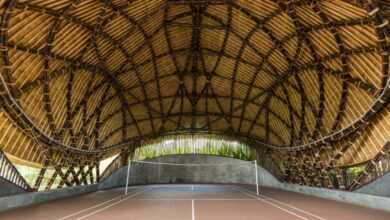
- Low-Impact and Renewable Materials: Materials like bamboo, cork, and timber from sustainably managed forests are excellent alternatives to traditional, resource-intensive materials. They are renewable, often have a lower embodied energy, and can be naturally biodegradable.
- Biomaterials and Innovation: The future of building materials is in biomaterials. Researchers are developing new materials grown from living organisms, such as mycelium (a mushroom fungus), or self-healing concrete that uses bacteria to repair cracks. These are innovative, low-carbon solutions that blur the line between nature and the built world.
The Macro-Level Impact
The benefits of sustainable building extend far beyond a single structure. When applied on a city-wide scale, it can transform urban life.
Economic Benefits
- A. Reduced Operating Costs: A well-designed green building has lower energy and water consumption, leading to significant savings on utility bills over its lifetime. This makes it an attractive, long-term investment.
- B. Increased Property Value: Sustainable buildings often command higher rental rates and sale prices. They are seen as a premium product by consumers and businesses who are increasingly prioritizing environmental responsibility and wellness.
- C. Job Creation: The green building sector is a major driver of job growth, creating new roles for architects, engineers, and construction workers skilled in sustainable practices and technologies.
Environmental and Social Benefits
- A. Healthier Occupants: Green buildings are designed to improve indoor air quality, maximize natural light, and reduce the presence of toxic materials. This leads to healthier, more productive, and happier occupants, reducing absenteeism and improving overall well-being.
- B. Reduced Environmental Footprint: By reducing energy use, conserving water, and using sustainable materials, green buildings help combat climate change and reduce our overall environmental impact. This is a critical step toward meeting global climate goals.
- C. Enhanced Community Resilience: In an age of climate change, sustainable buildings are more resilient to extreme weather events. They are often built with stronger materials and designed to be more self-sufficient, making them a crucial part of a community’s disaster preparedness plan.
Trends Shaping the Industry
The sustainable building movement is not static; it’s a rapidly evolving field driven by new technologies and a growing global awareness.
- A. Net-Zero and Energy-Positive Buildings: The goal is no longer just to be “less bad.” The new benchmark is to be net-zero, meaning a building produces as much energy as it consumes, or even energy-positive, meaning it generates a surplus of energy that it can feed back into the grid.
- B. Adaptive Reuse: Instead of demolishing old buildings and creating new waste, the focus is on adaptive reuse, which involves creatively repurposing existing structures. This is one of the most sustainable practices, as it saves the massive amount of energy and materials required to build from scratch.
- C. Smart Technology Integration: AI will play a more significant role in sustainable design and operation. AI can analyze building data in real time, making millions of micro-adjustments to optimize performance, predict maintenance needs, and reduce waste.
- D. Pre-fabrication and Modular Construction: Building components in a factory-controlled environment reduces waste, improves quality, and accelerates the construction process. It also allows for greater precision and the use of sustainable, prefabricated modules that can be assembled on-site with minimal disruption.
Conclusion
The sustainable building movement is far more than a passing trend in architecture; it is an urgent and necessary transformation for humanity. It is a powerful rebuttal to the outdated notion that economic prosperity must come at the expense of our planet. By rethinking the way we design and construct our buildings, we are not just creating structures that are more efficient and less harmful; we are creating healthier, more resilient, and more equitable communities. The old, linear model of consumption and waste is being replaced by a circular, regenerative approach that is inspired by nature itself.
This transformation requires a collective effort—from architects and engineers who design with a conscience, to governments that create supportive policies, and to consumers who demand better. It requires us to move beyond a focus on short-term costs and to embrace a long-term vision where the health of our planet and the well-being of our communities are considered our most valuable assets. The buildings we create today will stand as a testament to our commitment to this vision. They will not just be shelters from the elements; they will be living, breathing examples of our ingenuity and our profound ability to create a world that is not just sustainable, but truly thriving. This is the blueprint for our future, and it is a future built on a foundation of green.