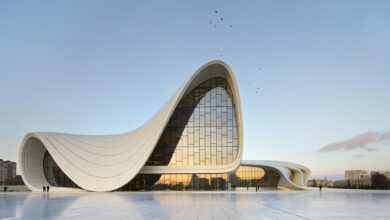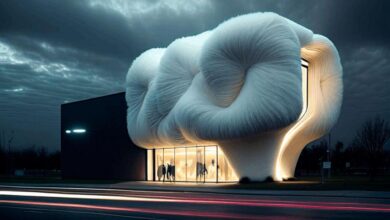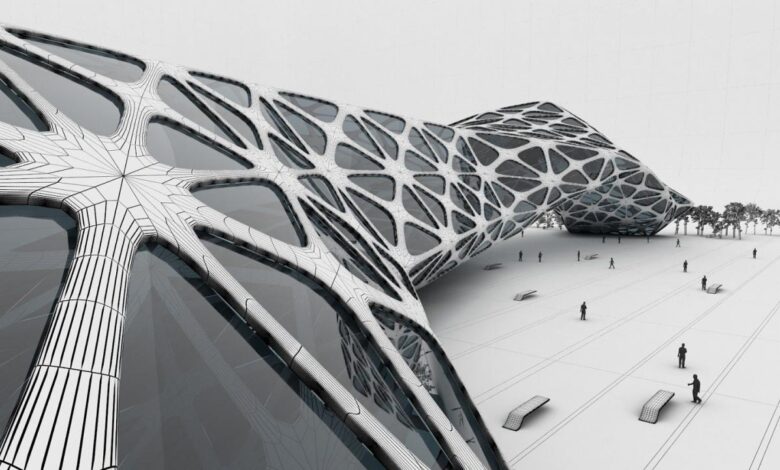
For centuries, architects and designers have created forms through a process of trial and error, relying on intuition, hand sketches, and manual calculations. This method, while foundational to the art of design, is inherently limited by human cognitive capacity and the time it takes to iterate. Today, a new and transformative force is challenging this paradigm and pushing the boundaries of what is possible: Parametric Design. Far from being a new style or aesthetic, parametric design is a profound shift in the creative process itself. It’s a design method where a form is defined not by its final shape, but by the parameters, rules, and algorithms that govern its creation. A designer manipulates these parameters, and the design responds dynamically and predictably, allowing for a level of complexity, optimization, and real-time iteration that was previously unimaginable. This article will serve as a comprehensive exploration of parametric design’s next step, delving into its core principles, the groundbreaking technologies that are driving its evolution, and the immense impact it is having on everything from architectural masterpieces to everyday consumer products. We will examine how this new approach is unlocking a future where designs are not just static objects, but living, adaptable, and data-driven systems.
The Foundational Shift
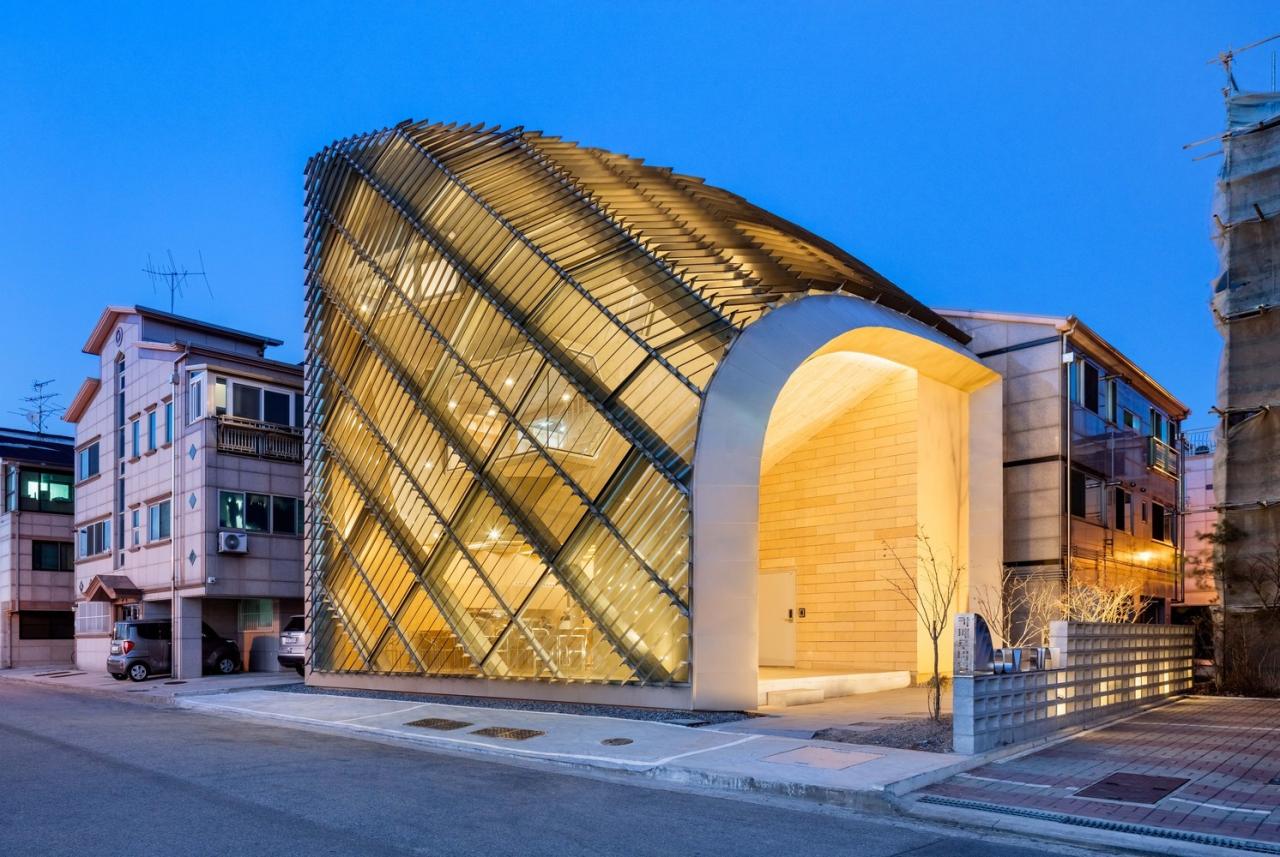
The core of parametric design lies in a fundamental shift in thinking. A traditional designer draws a shape, a line, or a form. A parametric designer writes a rule. This simple distinction has a profound ripple effect across the entire design process.
A. Parameters as the Creative Drivers:
Instead of drawing a fixed form, a designer sets parameters—variables that can be changed to influence the design. For example, the parameters for a building’s facade might include the angle of the sun at different times of the day, the height of the building, and the desired amount of natural light on each floor. The designer manipulates these parameters, and the algorithmic model generates a new facade that is perfectly optimized for the given rules. This process frees the designer from the tedious task of manual re-drawing and allows them to focus on the more creative and strategic aspects of the project.
B. The Algorithmic Engine:
The “engine” of parametric design is a powerful algorithmic model. The designer writes a set of rules—for example, “the size of a window must be proportional to the amount of natural light it receives”—and the algorithm automatically generates a design that adheres to these rules. The computer does the work of translating the rules into a physical form, exploring thousands of iterations in a fraction of the time it would take a human designer to manually draw a single version.
C. Iteration and Optimization in Real-Time:
The true power of parametric design is its capacity for real-time iteration. A designer can change a single parameter—for example, increasing the budget for materials—and the design will instantly respond, generating a new, optimized solution. This allows for a continuous feedback loop between the designer, the data, and the design itself. This is an entirely new way of working, where the design is not a static object but a dynamic, living system that can be endlessly refined and optimized.
Parametric Design’s Next Step
While early parametric design was often used to create a new, fluid, and organic aesthetic, its future is far more profound. The next step is a deep integration with data and technology to create designs that are not just beautiful, but also highly functional, efficient, and responsive.
Performance-Driven Design
- A. Generative Design with AI: The most significant evolution is the integration of parametric design with AI. This is a leap from a designer defining the parameters to an AI generating the parameters itself. The designer provides the AI with the goals and constraints—for example, “create a building that uses the least amount of energy and provides the most natural light”—and the AI generates thousands of designs that are optimized to meet those goals. The designer’s role shifts from writing the rules to defining the problem and curating the solutions.
- B. Environmental Responsiveness: The future of parametric design is a deeper connection to the environment. Designs will be generated based on real-time data from a site’s environment, including wind patterns, solar radiation, and even air quality. A building’s facade might be parametrically designed to open and close in response to a change in the weather, and a skyscraper’s shape might be optimized to minimize wind resistance and maximize energy efficiency.
- C. Material and Manufacturing Integration: The new era of parametric design is one that is deeply integrated with the manufacturing process. A design is not just a digital model; it’s a set of instructions for a 3D printer or a robotic fabrication arm. This allows for a level of complexity and precision in manufacturing that was previously impossible, and it ensures that a design is not just beautiful but also feasible to build.
Beyond Architecture
- A. Product Personalization: The principles of parametric design can be used to create products that are highly customized to a single person. For example, a chair can be parametrically designed to fit a person’s unique ergonomic needs, or a pair of glasses can be designed to fit the precise contours of a person’s face. This allows for a level of personalization that is both highly functional and aesthetically pleasing.
- B. The Rise of ‘Living’ Objects: In the future, a parametric object will not be a static, finished product. It will be a living, adaptable system. A piece of furniture might be parametrically designed to be easily reconfigured to serve a different purpose, or a prosthetic limb might be parametrically designed to be constantly refined and optimized based on a person’s real-time physical needs.
The Creative and Ethical Challenges
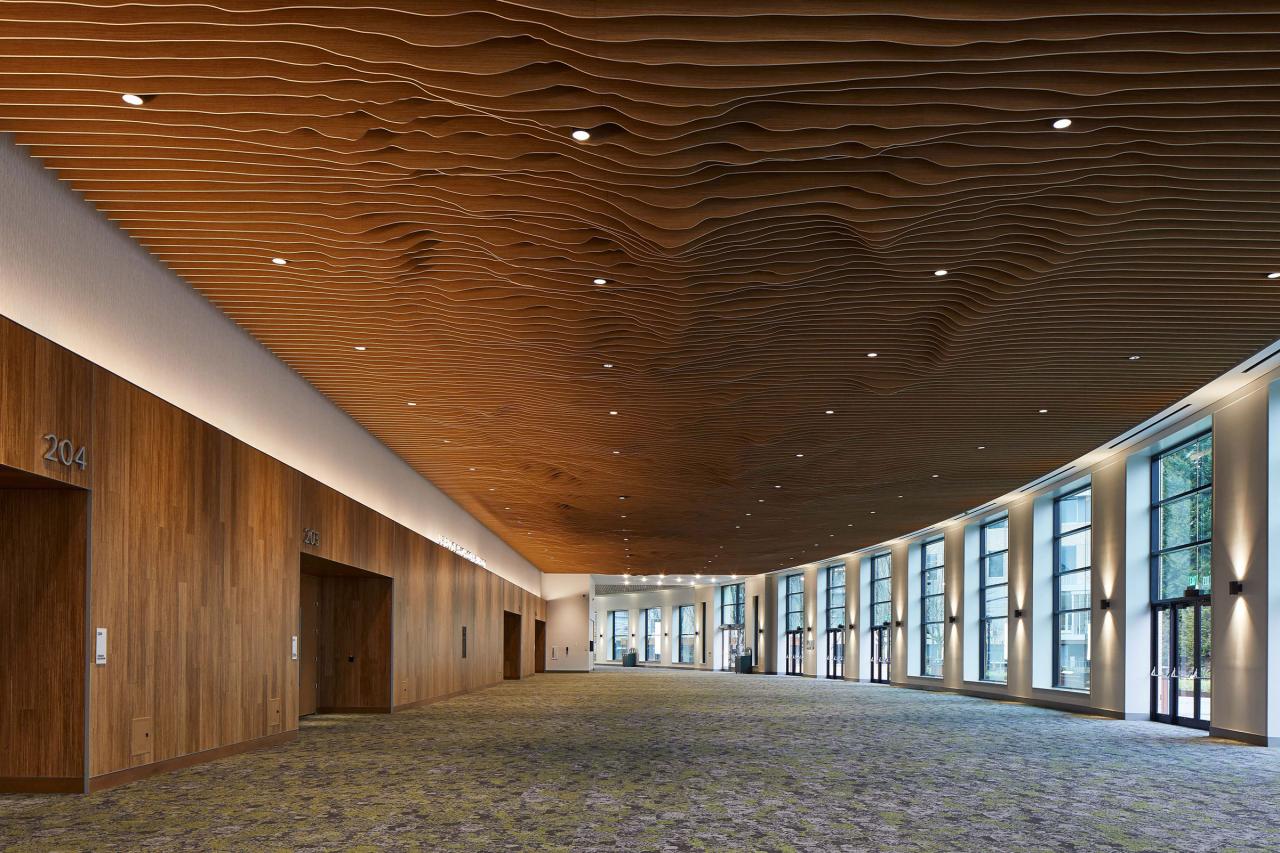
The rise of parametric design is not without its challenges and its ethical questions.
- A. The Learning Curve: Parametric design requires a new set of skills, from computational thinking to a deep understanding of algorithms. This is a major hurdle for many traditional designers and requires a new kind of training and a new way of thinking about design.
- B. The Aesthetics of Complexity: Early parametric designs were often criticized for being overly complex, alien, and without a human soul. The challenge for the new era of parametric design is to create designs that are not just optimized, but that are also beautiful, accessible, and deeply connected to human experience.
- C. The Question of Authorship: As AI plays a larger role in the design process, the question of authorship becomes more complex. Who is the creator of a design—the human who sets the parameters or the AI that generates the form? This is a fundamental question that the design community is still grappling with.
Conclusion
Parametric design is more than a new tool; it is a new way of thinking about the creative process. It is a powerful collaboration between human intuition and algorithmic precision that is pushing the boundaries of what is possible to design and to build. It is a profound acknowledgment that the human mind, while brilliant, has its limitations. By leveraging the computational power of algorithms and AI, designers can now explore a vast universe of possibilities that were previously inaccessible, leading to products and structures that are not just beautiful, but also more efficient, more sustainable, and more resilient.
The future of design will be defined by the quality of the questions we ask, the parameters we set, and our ability to curate and refine the solutions that AI provides. The designs of tomorrow will be a testament to this unique partnership, a powerful blend of human empathy and algorithmic precision. This is the era of augmented creativity, and it is a future that promises to be more innovative, more sustainable, and more beautiful than anything we have ever imagined.