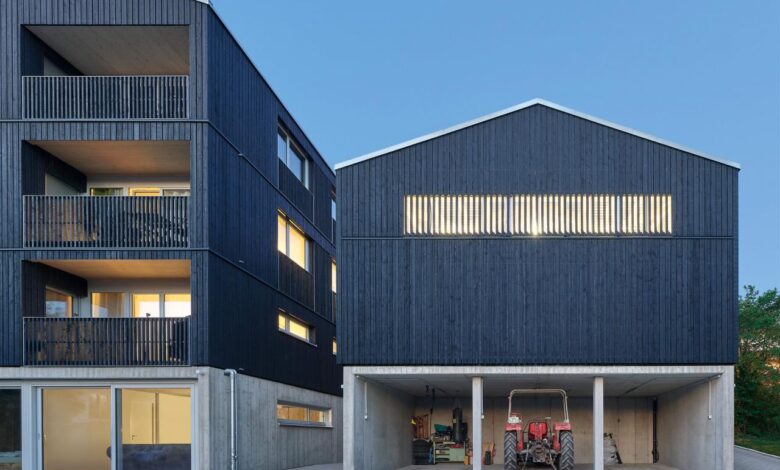
In the face of an accelerating climate crisis, the global building sector stands at a critical crossroads. Responsible for nearly 40% of the world’s total energy consumption and a significant portion of its carbon emissions, the traditional model of construction is no longer tenable. We are moving beyond the concept of “less bad” and embracing a radical new vision: net-zero buildings. A net-zero building is a structure that, over the course of a year, generates as much energy as it consumes. This is not just a technological feat but a fundamental shift in architectural philosophy, one that integrates energy efficiency, renewable power generation, and smart design into a single, cohesive system. This article will serve as a comprehensive exploration of the net-zero movement, delving into the core principles that define it, the groundbreaking technologies that enable it, and the immense economic, environmental, and social benefits that are driving its rapid adoption. We will examine how this trend is reshaping the entire building industry, from the materials we use to the way we live and work, moving us toward a more sustainable and resilient future.
The Foundational Principles of Net-Zero
A net-zero building is not achieved by simply adding solar panels to a conventional structure. It is the result of a holistic design process that prioritizes efficiency and performance from the very beginning. The strategy is to first dramatically reduce a building’s energy needs, and then meet the remaining demand with on-site renewable energy.
A. The Super-Insulated Envelope:
The first and most critical step is to create a highly efficient building envelope—the exterior shell that separates the conditioned interior from the outdoors. This involves using high-performance insulation in the walls, roof, and foundation, as well as installing airtight windows and doors. The goal is to minimize thermal transfer, preventing heat from escaping in the winter and entering in the summer. This simple strategy significantly reduces the energy required for heating and cooling, which is the single largest energy consumer in most buildings.
B. Passive Design for Optimal Performance:
Long before a single piece of technology is introduced, a net-zero building’s performance is optimized through passive design. This involves using the building’s orientation, form, and natural surroundings to its advantage.
- Orientation and Solar Gain: By orienting a building to maximize natural light, designers can reduce the need for artificial lighting during the day. In cold climates, a south-facing orientation can also be used to passively heat a building in the winter.
- Natural Ventilation: Designing for natural airflow reduces reliance on energy-intensive mechanical ventilation systems. Features like operable windows, courtyards, and atriums can create a chimney effect that draws cool air in and pushes warm air out, keeping the building comfortable with zero energy use.
- Shading and Overhangs: In hot climates, strategic shading from overhangs and fins can block the sun’s rays during the hottest parts of the day, preventing unwanted heat gain and reducing the air conditioning load.
C. High-Efficiency Systems and Appliances:
Once a building’s energy load has been minimized through smart design, the next step is to use the most efficient systems and appliances available. This includes everything from LED lighting and Energy Star-certified appliances to highly efficient heat pumps for heating and cooling. These systems do the same job as their conventional counterparts but use a fraction of the energy, reducing the amount of renewable energy that needs to be generated on-site.
The Technology Driving the Revolution
Net-zero buildings are a marvel of modern engineering, integrating a suite of cutting-edge technologies that work together to create a self-sufficient energy ecosystem.
A. On-Site Renewable Energy Generation:
The most visible and iconic feature of a net-zero building is its on-site power generation.
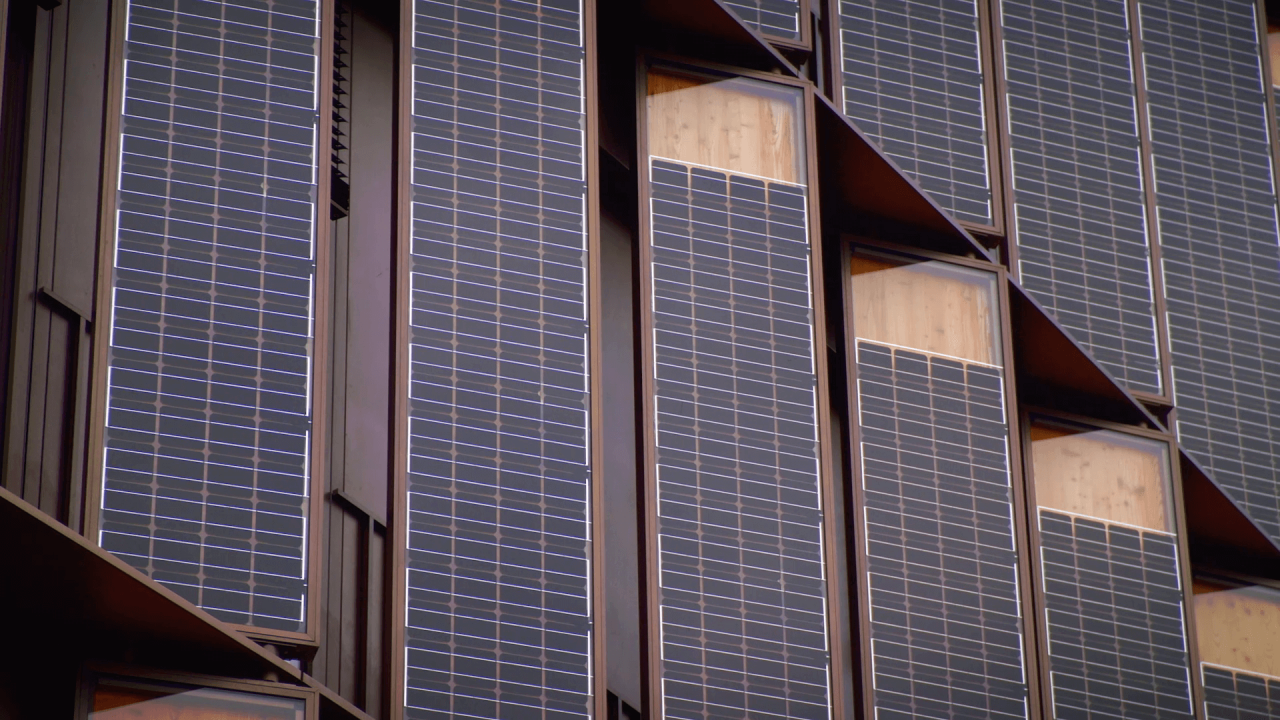
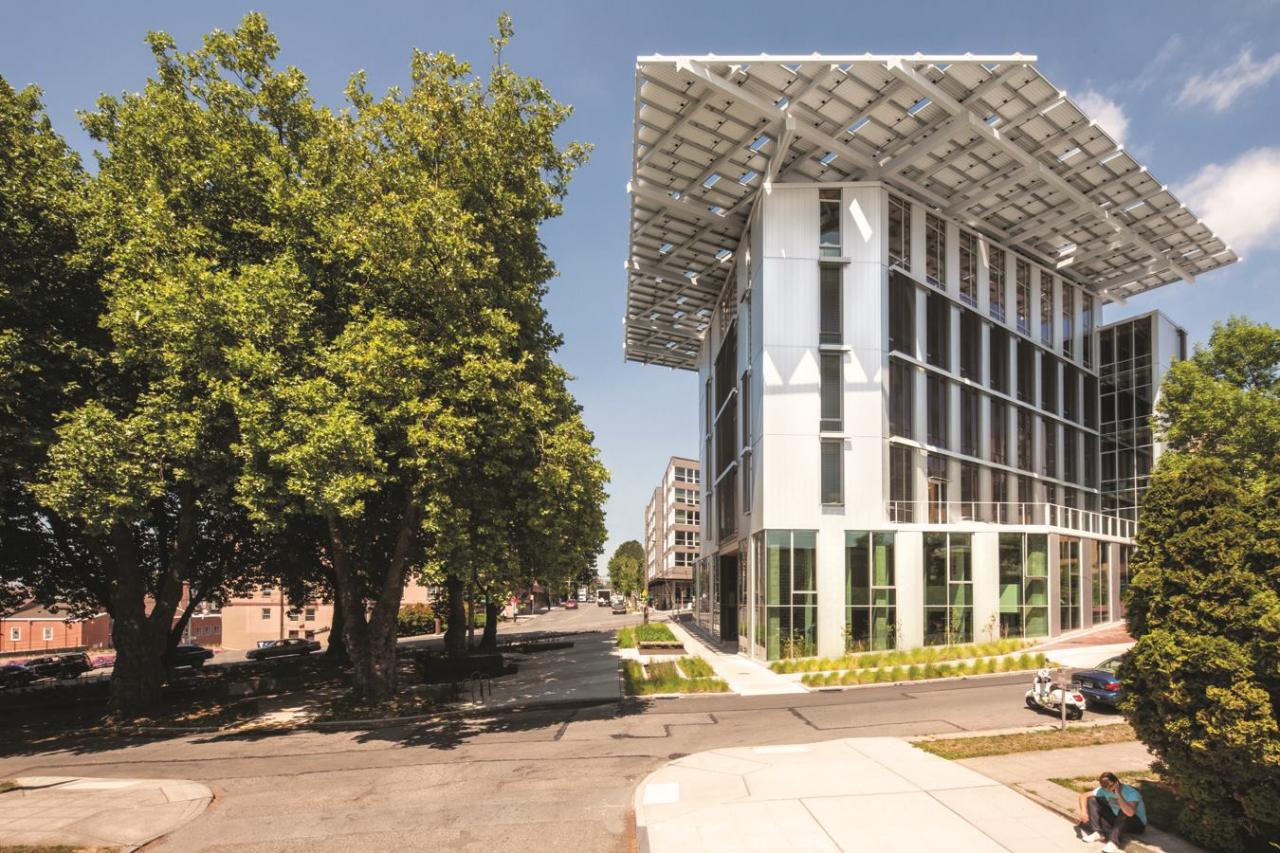
- Solar Panels (Photovoltaics): The gold standard for net-zero buildings. Advances in solar technology have made panels more efficient and affordable than ever before. They can be installed on roofs, integrated into facades, or even used as a shading element. The energy they generate is used to power the building’s systems, and any surplus is fed back into the electrical grid.
- Geothermal Heat Pumps: These systems use the stable temperature of the earth to provide highly efficient heating and cooling. They work by circulating fluid through a pipe system buried underground, transferring heat from the earth into the building in the winter and from the building into the earth in the summer. They are far more efficient than conventional heating and cooling systems and are a key part of the net-zero equation.
- Small-Scale Wind Turbines: In some locations, small wind turbines can be integrated into a building’s design to generate power, particularly for a building that is located in an area with a consistent wind flow.
B. Energy Storage:
A net-zero building must be able to manage its energy use on a 24-hour cycle. It produces the most power during the day when the sun is shining but consumes the most power in the morning and evening. This is where battery storage comes in. Batteries allow a building to store surplus energy generated during the day and use it at night, ensuring that the building is not reliant on the grid.
C. Smart Building Management Systems:
AI-powered building management systems (BMS) are the brains of a net-zero building. They are constantly monitoring energy consumption, adjusting lighting and climate control based on occupancy, and optimizing the flow of energy between the solar panels, the battery, and the grid. This intelligent automation ensures that the building is always operating at peak efficiency, making it a living, breathing, and responsive organism.
Why Net-Zero is the Future
The move toward net-zero is not just about environmental responsibility; it’s a smart economic decision with profound social benefits.
Economic Advantages
- A. Zero-Cost Energy: Once a net-zero building is complete, its operational energy costs are effectively eliminated. This provides significant long-term savings on utility bills and makes a property a more valuable and secure asset.
- B. Increased Property Value: Buildings with a net-zero certification often command a higher price in the real estate market. They are seen as a premium product by consumers and businesses who are increasingly prioritizing sustainability and resilience.
- C. Reduced Maintenance Costs: The durable, high-performance materials and systems used in net-zero buildings are designed to last longer and require less maintenance than their conventional counterparts, leading to lower long-term operating costs.
Environmental and Social Benefits
- A. Drastic Reduction in Carbon Emissions: By eliminating reliance on the power grid, which is often powered by fossil fuels, net-zero buildings play a critical role in combating climate change and reducing our collective carbon footprint.
- B. Improved Indoor Air Quality: Net-zero buildings are designed with advanced ventilation and filtration systems that ensure a constant supply of fresh, clean air. This leads to healthier and more productive occupants, reducing the spread of airborne illnesses and a range of respiratory issues.
- C. Enhanced Resilience and Energy Independence: A net-zero building with on-site energy generation and storage is more resilient in the face of power outages caused by extreme weather or grid failures. It can continue to operate as a safe and comfortable haven when the rest of the community is without power.
The Road to a Net-Zero World
The net-zero movement is gaining momentum, but there are still challenges to overcome on the path to widespread adoption. The initial cost of building a net-zero structure can be higher than a conventional one, and there is a need for more trained professionals—from architects and engineers to contractors—who are skilled in this new approach. However, a range of solutions are emerging to address these issues.
- A. Prefabrication and Modular Construction: The use of prefabricated, modular components can help reduce the cost and complexity of building net-zero. Modules can be built in a factory with a high degree of precision and then assembled on-site with minimal waste and labor, making net-zero construction more scalable and affordable.
- B. Policy and Incentives: Governments are playing a key role by implementing building codes that require higher energy efficiency standards and by providing tax incentives and rebates for net-zero buildings. This is helping to close the financial gap and encourage developers to adopt this new standard.
- C. The Democratization of Technology: The cost of key net-zero technologies, particularly solar panels and batteries, is dropping rapidly. This is making net-zero a more accessible option for a wider range of people and a more viable business model for developers.
Conclusion
The net-zero building trend is more than just a set of technical standards; it is a powerful symbol of a profound shift in our relationship with the environment. It is a philosophy that recognizes our buildings can be a part of the climate solution, not the problem. By designing structures that are highly efficient, self-sufficient, and integrated with their natural surroundings, we are creating a built environment that is more resilient, more sustainable, and more equitable. The buildings of tomorrow will not just provide shelter; they will actively contribute to the health of our communities and our planet.
The journey to a net-zero world requires a collective effort, from architects and designers who prioritize performance over aesthetics, to developers who see the long-term value, and to consumers who demand better. The payoff is immense: a future where our homes and offices are not just places where we live and work, but are living, breathing examples of our ingenuity and our profound ability to create a better world. The era of passive consumption is over. The time of regenerative, net-zero living has begun.