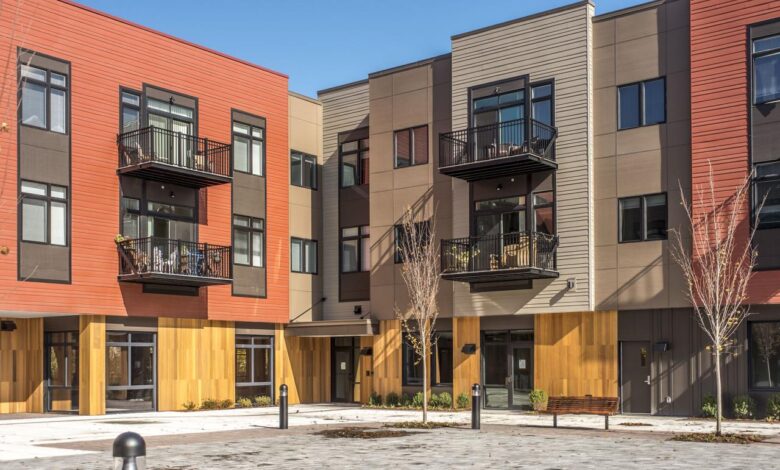
The traditional construction industry, with its long timelines, high costs, and significant waste, is ripe for disruption. For centuries, buildings have been assembled piece by piece on-site, a process that is often inefficient, weather-dependent, and labor-intensive. However, a powerful new paradigm is emerging from this conventional model: modular construction. This isn’t just a new building technique; it’s a fundamental shift in philosophy, moving the process of construction from a chaotic outdoor assembly line to a controlled, high-tech factory environment. By pre-fabricating building modules off-site and then transporting them to the final location for assembly, modular construction promises to deliver structures that are not only faster and more affordable to build, but also more sustainable, higher quality, and more resilient. This article will serve as a comprehensive exploration of modular construction’s new era, delving into its core principles, the innovative technologies driving its growth, and its profound impact on everything from residential homes to high-rise commercial buildings. We will examine how this method is poised to solve some of the most pressing challenges in the building sector and reshape the urban landscape of tomorrow.
The Foundational Principles of Modular Construction
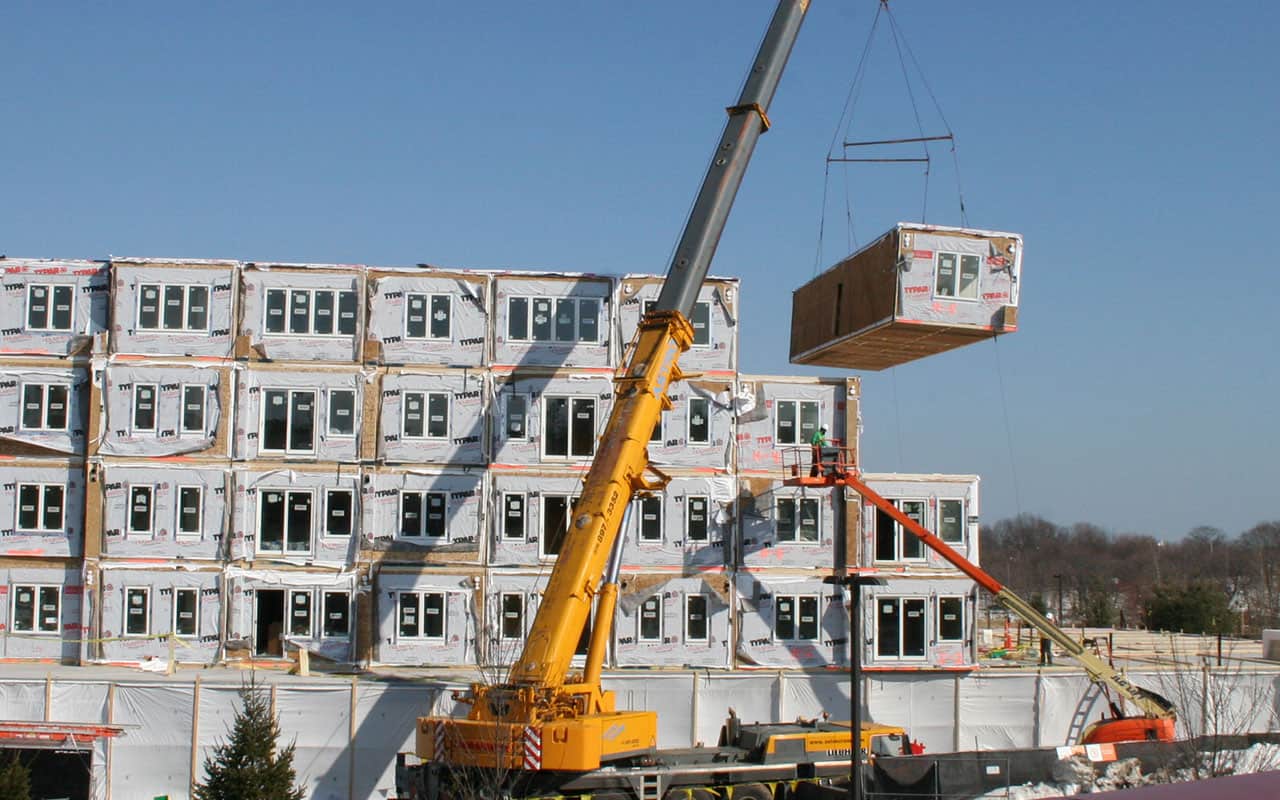
Modular construction is built on a foundation of several key principles that distinguish it from traditional, stick-built construction. Understanding these principles is essential to grasping the full scope of its benefits.
A. Factory-Controlled Environment:
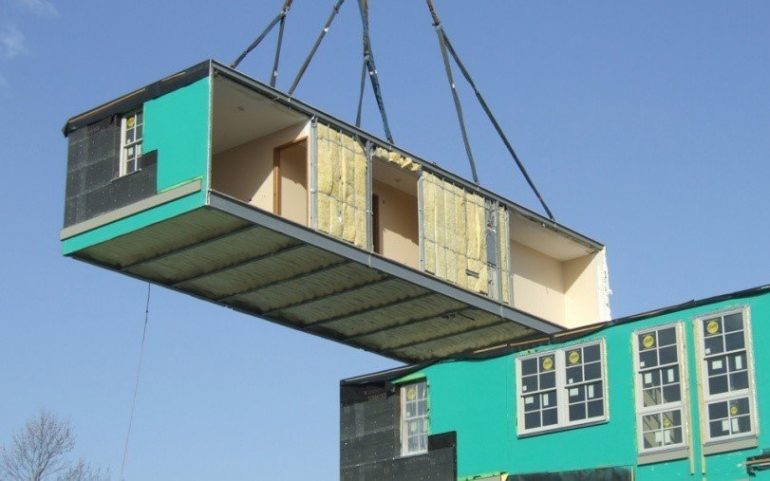
The most significant difference is the shift to a factory setting. Building modules are constructed indoors, in a climate-controlled environment, which eliminates delays caused by adverse weather conditions. This also allows for greater quality control. Unlike a chaotic outdoor construction site, a factory setting can implement lean manufacturing principles, ensuring that every module is built to precise specifications with minimal defects. This controlled environment also reduces the risk of on-site accidents and injuries, making the construction process safer for workers.
B. Parallel Processes:
In traditional construction, site work (e.g., foundation, utility connections) and building erection happen sequentially. This creates long project timelines. With modular construction, these processes happen in parallel. While the foundation is being prepared at the building site, the modules are being simultaneously built in the factory. This overlap can reduce project timelines by 30% to 50%, a major advantage for developers and clients who need to get a project to market quickly.
C. Scalable and Replicable Systems:
Because modules are standardized units, the process of building them is highly scalable. A factory can produce a new module every few hours, and the process can be easily replicated for multiple projects. This makes modular construction an ideal solution for large-scale developments, such as multi-family housing, hotels, or schools, where identical or similar units are needed. The efficiency of a single module can be leveraged across an entire project.
Why Modular is the Smarter Choice
The advantages of modular construction are wide-ranging, impacting a project’s cost, quality, timeline, and environmental footprint.
Economic Advantages
- A. Cost Predictability: Because a significant portion of the work is done in a factory, costs are easier to predict and control. Materials can be purchased in bulk, and labor costs are more stable. This reduces the risk of budget overruns, which are common in traditional construction projects.
- B. Reduced Timelines: As mentioned, the parallel nature of the process dramatically cuts down on project length. This means a developer can start generating revenue from a building much sooner, improving the project’s return on investment (ROI).
- C. Less On-Site Disruption: A modular project requires less on-site activity, which means less noise, dust, and traffic congestion. This is a significant benefit for projects in densely populated urban areas, where construction can be a major source of disruption for neighbors and local businesses.
Quality and Durability
- A. Superior Quality Control: The factory environment allows for stricter quality control measures. Each module can be inspected at various stages of production, ensuring that all components are installed correctly and that the module meets the highest standards. This leads to a more reliable and durable final product.
- B. Enhanced Structural Integrity: The individual modules are built to be transported, which means they must be robust enough to withstand the stress of being moved by truck and crane. This over-engineering results in a final structure that is often more resilient to seismic activity and extreme weather events than a traditional building.
Environmental Sustainability
- A. Minimized Waste: In a factory setting, waste can be meticulously managed and recycled. The standardization of modules reduces material off-cuts, and any excess material can be reused in the next module. This can lead to a reduction in construction waste by up to 90% compared to a traditional building site.
- B. Energy Efficiency: Modular buildings are often designed with a focus on energy efficiency from the very beginning. The precise construction and tight seals of a factory-built module result in superior insulation and reduced air leaks, significantly lowering a building’s long-term energy consumption for heating and cooling.
- C. Reduced Site Impact: Since most of the construction is done off-site, there is less on-site disruption to the local environment, including soil erosion and water runoff.
Redefining Architectural Aesthetics
Early modular buildings were often criticized for their monotonous, cookie-cutter appearance. However, the new era of modular construction has embraced a new level of architectural sophistication and customization.
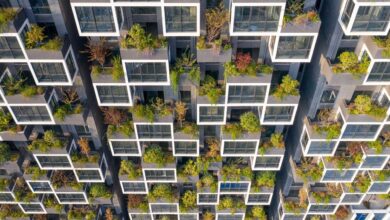
- A. The Power of Combination: The beauty of modular design is that a few standardized modules can be combined in an infinite number of ways. By stacking, shifting, and arranging modules, architects can create complex, dynamic, and visually interesting forms. This allows for a high degree of customization and a unique architectural expression for each project.
- B. Integration with Smart Technology: Modern modular units are being built as “smart” from the ground up. They can come pre-installed with integrated smart home systems, energy-efficient lighting, and advanced climate control, making the final building not just a structure, but a high-tech living environment.
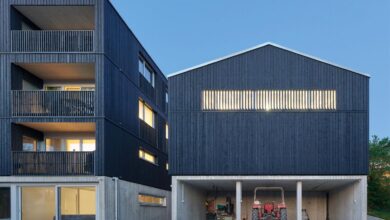
- C. Modular and Sustainable Materials: The new era of modular construction is using a wider range of sustainable materials, from sustainably sourced timber to recycled steel and innovative biomaterials. This allows for a richer and more varied aesthetic that is also environmentally responsible.
The Future is Modular
The application of modular construction is expanding beyond its traditional use in temporary housing to a wide range of building types.
- A. Multi-Family Housing: Modular construction is an ideal solution for the global housing crisis. It can deliver high-quality, affordable housing units at an unprecedented speed, helping to meet the growing demand for urban living.
- B. Hotels and Hospitality: The hotel industry is embracing modular construction for its speed and quality. Building hotel rooms as individual modules in a factory ensures a consistent, high-quality guest experience and allows a new hotel to open for business much sooner.
- C. Commercial and Institutional Buildings: Modular construction is being used for everything from schools and hospitals to office buildings. Its speed and predictability are a major draw for institutional clients who need to stick to strict timelines and budgets.
- D. Disaster Relief and Emergency Housing: In the wake of natural disasters, modular units can be rapidly deployed to provide high-quality, temporary housing for displaced families. This is a crucial application that can make a major difference in a time of crisis.
Conclusion
Modular construction has moved far beyond its humble beginnings. It is no longer a niche or last-resort option but a sophisticated, scalable, and sustainable solution to the most pressing challenges facing the construction industry. By shifting a significant portion of the work from the unpredictability of a building site to the efficiency of a factory, it delivers a superior product in a fraction of the time and with a fraction of the waste.
This is a fundamental re-imagining of the entire building process. It’s about leveraging the power of manufacturing principles to create a more resilient, more reliable, and more environmentally friendly built world. While challenges remain in the areas of logistics, transportation, and regulatory hurdles, the trajectory is clear. The future of construction is modular. The buildings of tomorrow will be a testament to this new era, standing as a testament to our collective ability to build not just faster, but smarter, and to create a more sustainable and equitable urban landscape for generations to come.