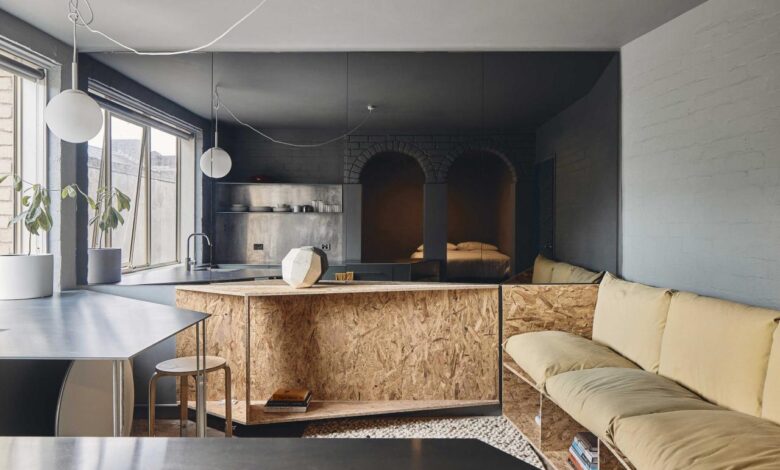
The urban core is experiencing a profound and irreversible shift. As city populations swell and real estate costs soar, the traditional model of spacious, single-family homes is becoming a luxury for an ever-shrinking few. This economic and demographic pressure is giving rise to a powerful new architectural trend: micro-living spaces. Far from being a sacrifice, micro-living is a philosophy that embraces intentionality, efficiency, and smart design to create homes that are small in footprint but rich in functionality and style. This isn’t just about building smaller apartments; it’s about a complete re-imagination of how we live, prioritizing experience over possessions and connection over isolation. This article will serve as a comprehensive exploration of the micro-living movement, delving into the foundational design principles that define it, the innovative solutions that make it possible, and its profound impact on urban life, personal well-being, and sustainability. We will examine how this trend is reshaping everything from single studio apartments to modular housing, proving that a small space can, in fact, offer a huge life.
The Philosophy of Micro-Living
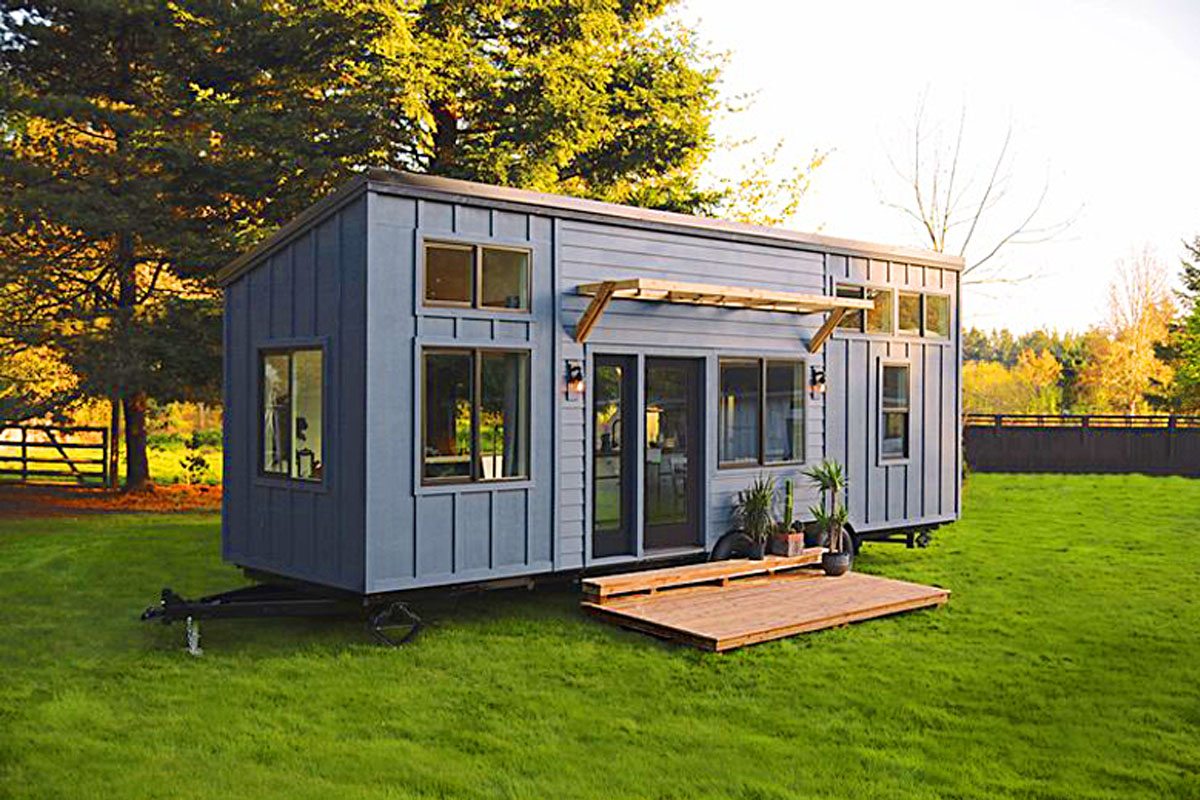
The appeal of micro-living is rooted in a fundamental philosophical shift. It’s a rejection of the consumerist culture that equates happiness with endless space and possessions. The core principles of micro-living are not about deprivation but about liberation.
A. Intentional Living:
Micro-living forces a person to be intentional about every possession and every piece of furniture they own. There is no room for clutter or unnecessary items. This process of mindful curation leads to a cleaner, more organized living environment and, by extension, a clearer mind. It’s a powerful exercise in decluttering not just a home but a life, leading to a deeper appreciation for the things that truly matter.
B. The Pursuit of Experiences, Not Things:
When a person’s living space is small, the outside world becomes an extension of their home. Micro-living encourages residents to engage more with their city—its parks, its cafes, its public spaces—and to prioritize experiences, travel, and social connection over the accumulation of material goods. The city itself becomes the living room, the backyard, and the community hub.
C. Financial Freedom:
The most tangible benefit of micro-living is financial freedom. The lower cost of rent or a mortgage for a smaller space can free up a significant portion of a person’s income. This extra capital can be used to pay off debt, save for the future, invest, or simply to spend on the very experiences and adventures that are at the heart of the micro-living philosophy.
Innovative Solutions for Small Spaces
Creating a functional and beautiful micro-living space requires a mastery of design principles and the use of innovative, space-saving solutions. The goal is to make every square inch serve multiple purposes without feeling cramped or cluttered.
Furniture and Fixtures
- A. Multi-functional Furniture: The key to micro-living is furniture that can transform to serve a different purpose. A coffee table that rises to become a dining table, a sofa that folds out into a bed, or a murphy bed that folds into the wall to create a spacious living area during the day are all essential tools in this kind of design. This multi-functional approach allows a single room to serve as a bedroom, a living room, and a dining area all at once.
- B. Verticality and Smart Storage: In a small space, the only way to go is up. A well-designed micro-unit will make use of every vertical inch, with floor-to-ceiling shelving, lofted beds that free up floor space below, and smart storage solutions that are integrated into the walls. A small kitchen, for example, might have a pull-out pantry that is hidden in the wall, or a hidden counter that can be pulled out for extra prep space.
- C. The Illusion of Space: Designers use a number of tricks to make a small space feel much larger than it is. This includes using light-colored paint and materials, which reflect light and make a room feel more open. Large mirrors can also be used to create the illusion of depth and space. The use of a consistent flooring material throughout the unit helps to create a seamless, continuous flow that makes the space feel larger.
Technology and Automation
- A. Integrated Smart Systems: Smart home technology is a natural fit for micro-living. A single smart system can manage a unit’s lighting, climate control, and entertainment, all from a single app. This eliminates the need for bulky equipment and messy wires, helping to keep a small space clean and organized.
- B. Automated and Transforming Furniture: The next generation of micro-living will be powered by automation. Furniture that can transform with a single voice command or a tap on a phone is already being developed. Imagine a bed that folds into a wall with a simple “good morning,” or a desk that emerges from a cabinet when it’s time to work. This automation adds a new level of convenience and sophistication to small-space living.
- C. Hidden Appliances and Sinks: The kitchen and bathroom can be major space-eaters. Modern micro-units are now being designed with hidden, compact appliances that are integrated into the cabinetry. A sink can be hidden beneath a countertop, and a small stovetop can be covered when not in use, creating a clean, minimalist aesthetic that makes a small kitchen feel much larger.
Reshaping Our Cities and Our Lives
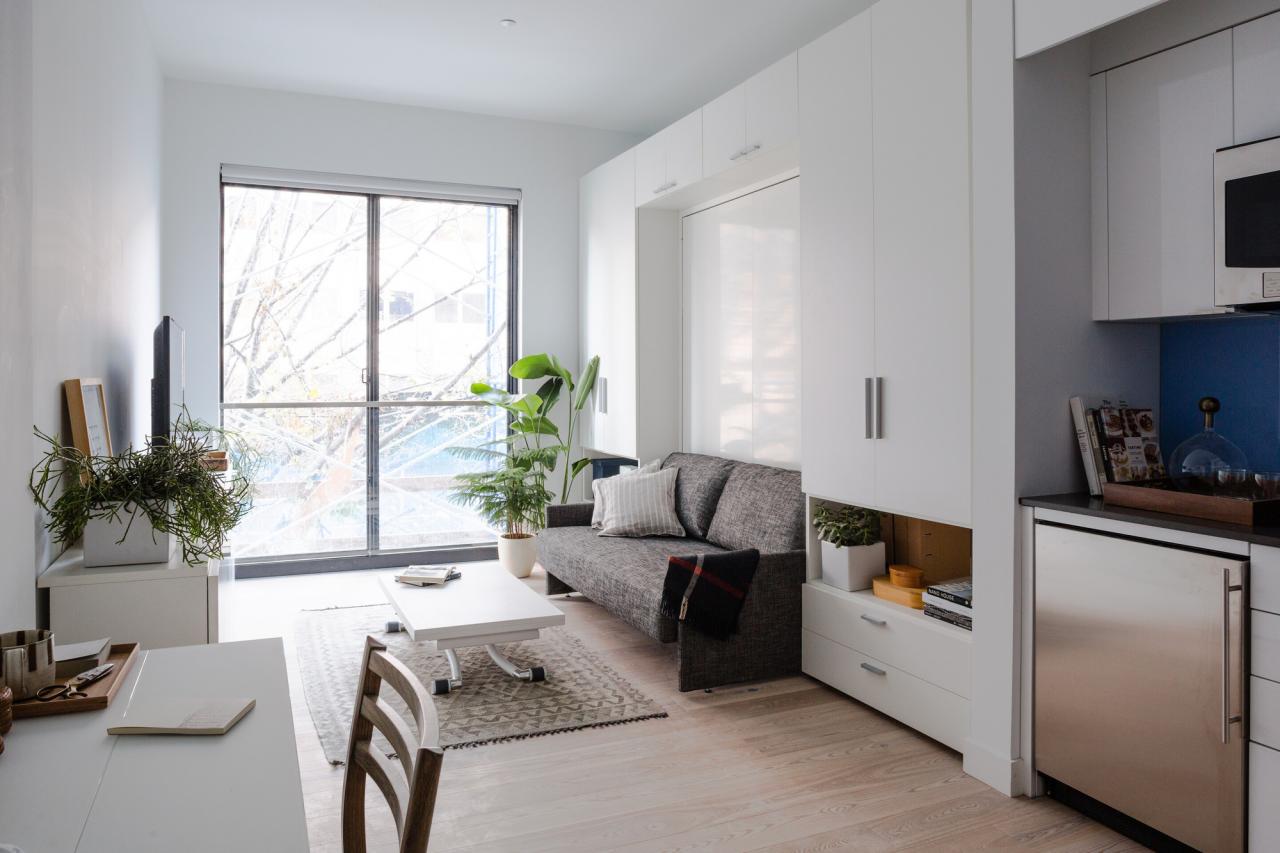
The micro-living movement is more than just a passing trend in interior design; it is a powerful force that is reshaping our urban centers and influencing our personal lives in a number of profound ways.
- A. A Solution to the Housing Crisis: The high cost of urban real estate is a major problem for cities all over the world. Micro-living offers a tangible, scalable solution. By building smaller, more efficient housing units, cities can increase their housing supply and create a more affordable option for students, young professionals, and urban dwellers of all ages.
- B. Fostering Community: Micro-living units are often part of a larger, community-focused building. These buildings are designed with shared common spaces—from communal kitchens and co-working spaces to rooftop gardens and fitness centers. This communal design is a powerful antidote to urban isolation, fostering a sense of community and social connection that is often lacking in traditional apartment buildings.
- C. A More Sustainable Lifestyle: Micro-living is inherently sustainable. A smaller space requires less energy to heat and cool, and it encourages residents to consume less and to live a more minimalist lifestyle. This is a powerful step toward reducing our collective environmental footprint and moving toward a more sustainable future.
Conclusion
The micro-living movement is a brilliant and elegant response to the challenges of modern urban life. It is a philosophy that proves that a person does not need to sacrifice their comfort, their style, or their quality of life to live in a small space. By embracing intentionality, smart design, and innovative, multi-functional solutions, designers are creating homes that are not just smaller but are, in many ways, better. They are more efficient, more sustainable, more affordable, and, perhaps most importantly, they are a powerful tool for living a more meaningful and connected life.
The journey from a tiny apartment to a flourishing micro-living movement is a testament to our ingenuity and our profound ability to adapt. While challenges remain in the areas of zoning, regulation, and public perception, the trajectory is clear. The future of urban living is not about building bigger; it’s about building smarter. The micro-living movement is a bold and powerful blueprint for a future where our homes are not just a place we live, but are a catalyst for a more sustainable, more connected, and more intentional life. The small space is not the end of a lifestyle; it is the beginning of a big idea.