

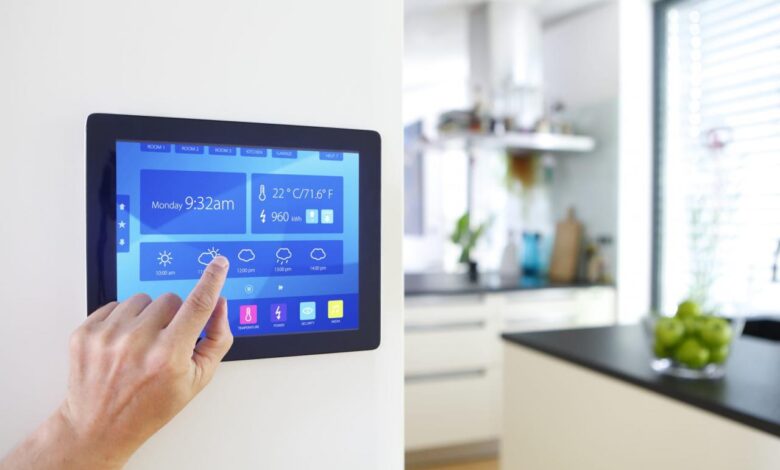
For centuries, our homes and buildings have stood as static structures, providing shelter but otherwise disconnected from our lives. Today, a new era of architecture is emerging, one where buildings are not just places to live and work, but intelligent, responsive partners that adapt to our needs. This transformation, driven by the Internet of Things (IoT), artificial intelligence (AI), and advanced automation, is blurring the lines between the built environment and the digital world. The journey begins with the smart home, a concept that has now evolved into the blueprint for an entirely new kind of architecture—the smarter building—and by extension, the intelligent city. This isn’t just about controlling lights with a phone; it’s a profound shift toward creating spaces that are more efficient, secure, comfortable, and sustainable. This article will serve as a comprehensive exploration of this revolution, delving into the foundational technologies, their practical applications, and the immense potential that lies ahead as our buildings become an integral part of our digital lives. We will examine how this movement is reshaping everything from single-family homes to towering commercial structures, creating an ecosystem where technology serves human well-being and environmental health.
The Smart Home’s Foundation

The smart home is the entry point into this new architectural paradigm. It’s a personal, localized ecosystem where devices and systems communicate to automate tasks and provide a new level of convenience and control. The smart home’s value proposition is built on three core pillars.
A. Convenience and Automation:
At its most basic, a smart home simplifies daily routines. Lights can turn on automatically when you enter a room, a thermostat can learn your schedule and adjust the temperature accordingly, and a coffee maker can start brewing the moment your alarm goes off. This automation is powered by a central hub that links all devices, from smart plugs to voice assistants, allowing them to work together in a seamless, automated symphony. This not only saves time but also reduces the mental energy spent on mundane tasks, freeing you up to focus on what matters.
B. Security and Peace of Mind:
A smart home is a secure home. Connected cameras and doorbells allow you to monitor your property from anywhere in the world, while smart locks provide keyless entry and the ability to grant temporary access to guests or service providers. Sensors can detect everything from a broken window to a smoke alarm, sending instant alerts to your phone. This proactive security system provides a level of peace of mind that a traditional home simply cannot match.
C. Energy Efficiency and Sustainability:
A smart home is an energy-efficient home. Smart thermostats, for example, can adjust the temperature based on occupancy, turning down the heat when no one is home and saving a significant amount on energy bills. Smart lighting systems can turn off lights in empty rooms and adjust brightness based on natural light levels. This isn’t just about saving money; it’s about reducing your environmental footprint and contributing to a more sustainable planet.
Scaling Up
The principles of the smart home are now being applied on a larger, more complex scale to commercial, multi-family, and institutional buildings. A smart building is an intelligent organism, with a central nervous system that manages its entire operation.
Core Components of a Smart Building
- A. Building Management Systems (BMS): A BMS is the brain of a smart building. It’s a centralized computer system that controls and monitors a building’s mechanical and electrical equipment, including HVAC (heating, ventilation, and air conditioning), lighting, power, and fire systems. Unlike older systems, a modern BMS uses AI and machine learning to optimize performance in real time, making millions of micro-adjustments to maximize efficiency and comfort.
- B. Integrated Sensors and IoT Network: A smart building is covered in a network of sensors, from occupancy sensors that detect when a room is in use to environmental sensors that monitor air quality, temperature, and humidity. This data is fed back to the BMS, creating a constant, two-way dialogue that allows the building to respond dynamically to its environment and its occupants’ needs.
- C. Predictive Maintenance: Instead of waiting for a piece of equipment to fail, a smart building can predict it. AI algorithms analyze data from sensors in elevators, HVAC systems, and other critical infrastructure to identify anomalies that indicate an impending failure. This allows for preventative maintenance, which saves money, reduces downtime, and extends the lifespan of the equipment.
Beyond Efficiency
A smart building is not just about efficiency; it’s about enhancing the occupant experience.
- A. Personalized Environments: In a smart office, an employee can use an app to adjust the temperature and lighting in their personal workspace. In a smart apartment, residents can use a single interface to manage everything from their security and climate to their entertainment systems. This level of personalization makes a building more responsive and more comfortable for everyone.
- B. Health and Wellness: A smarter building is a healthier building. Integrated air quality sensors can monitor and adjust ventilation to ensure a constant supply of fresh, clean air, while natural light sensors can optimize lighting to improve circadian rhythms and reduce eye strain. This focus on well-being is particularly critical in commercial and healthcare settings.
- C. Security and Access Control: Smart buildings use biometric sensors, facial recognition, and digital access cards to manage who enters the building and where they go. This not only enhances security but also provides valuable data on building usage and traffic patterns, helping to optimize the building’s layout and functionality.
The Smart Building’s Impact on the Urban Landscape
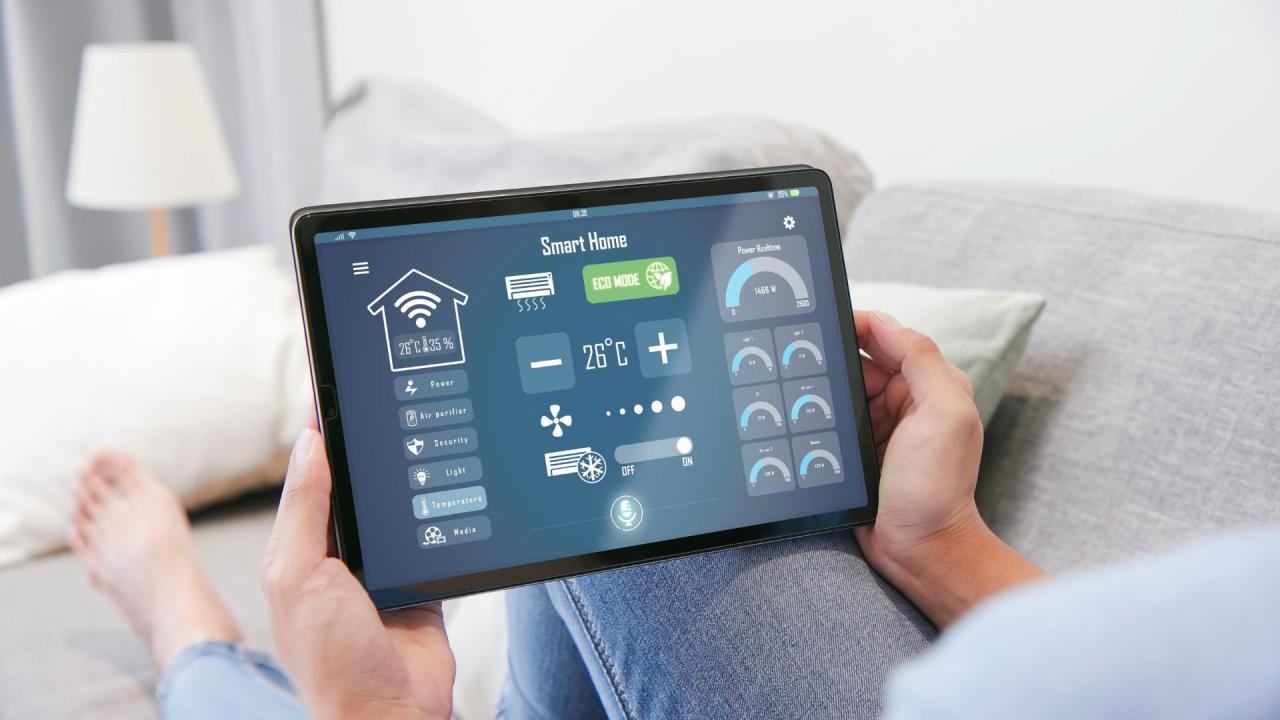
The widespread adoption of smart buildings will have a ripple effect, fundamentally reshaping our cities and the way we live in them.
- A. The Smart Grid: Smart buildings can communicate with the power grid, adjusting their energy consumption based on supply and demand. During peak hours, a smart building might reduce its load, and during off-peak hours, it might store energy in a battery or power an electric vehicle fleet. This creates a more stable, efficient, and resilient energy grid for the entire city.
- B. Redefining Urban Planning: The data generated by smart buildings is a goldmine for urban planners. It provides real-time information on everything from traffic flow to population density, allowing city officials to make smarter decisions about infrastructure, public transit, and resource allocation. The city of the future will be built on a foundation of real-time data, not on guesswork.
- C. The Rise of the Digital Twin: A smart building creates a digital twin—a virtual, real-time replica that can be used to simulate and optimize every aspect of its operation. When every building in a city has a digital twin, urban planners can create a virtual model of the entire city, allowing them to test the impact of new developments and policies before they are implemented in the real world. This is a powerful tool for creating more livable, sustainable, and resilient cities.
Conclusion
The journey from the smart home to the smarter building is not just a technological upgrade; it is a fundamental shift in our relationship with the built environment. We are moving from a world of passive structures to a world of active, intelligent partners that can think, adapt, and respond to our needs. The convergence of IoT, AI, and advanced automation is creating an ecosystem where buildings are not just places to live and work, but are seamlessly integrated into our digital lives, providing a new level of convenience, security, and sustainability.
This revolution is about more than just technology; it is about a new vision for the future of our urban spaces. By creating buildings that are more efficient, healthier, and more responsive, we are not just saving money and reducing our environmental footprint; we are creating communities that are more livable, more equitable, and more resilient in the face of a changing world. While challenges remain in the areas of data privacy, security, and the initial cost of implementation, the trajectory is clear. The buildings we create today will not just be shelters from the elements; they will be living, breathing organisms that are a testament to our collective ingenuity and our profound ability to design a future that is smarter, more connected, and more humane. This is the promise of intelligent living, and it is a promise that is already being realized, one smart building at a time.
