The built environment stands at the front lines of a global challenge: a climate in flux. For a century, architecture and urban planning have largely been concerned with aesthetics, function, and cost, assuming a stable, predictable climate. Today, however, that assumption is shattered. We are witnessing an increase in extreme weather events, from devastating floods and wildfires to more intense heat waves and hurricanes. The buildings we inhabit, the cities we live in, and the infrastructure that connects us are demonstrably fragile in the face of these new realities. As a result, a new and urgent philosophy is taking hold: resilient architecture. This is a paradigm shift that moves beyond mere sustainability—the goal of reducing a building’s environmental impact—to a more proactive stance of designing structures that can withstand, recover from, and adapt to climate-related shocks and stresses. This article will provide a comprehensive guide to resilient architecture, delving into its core principles, the innovative materials and technologies that make it possible, and the profound economic and social benefits of building for a climate-uncertain future. It is a blueprint for a world where our built environment is not a liability in the face of climate change, but a powerful force for stability and security
The Three Foundational Pillars of Resilience
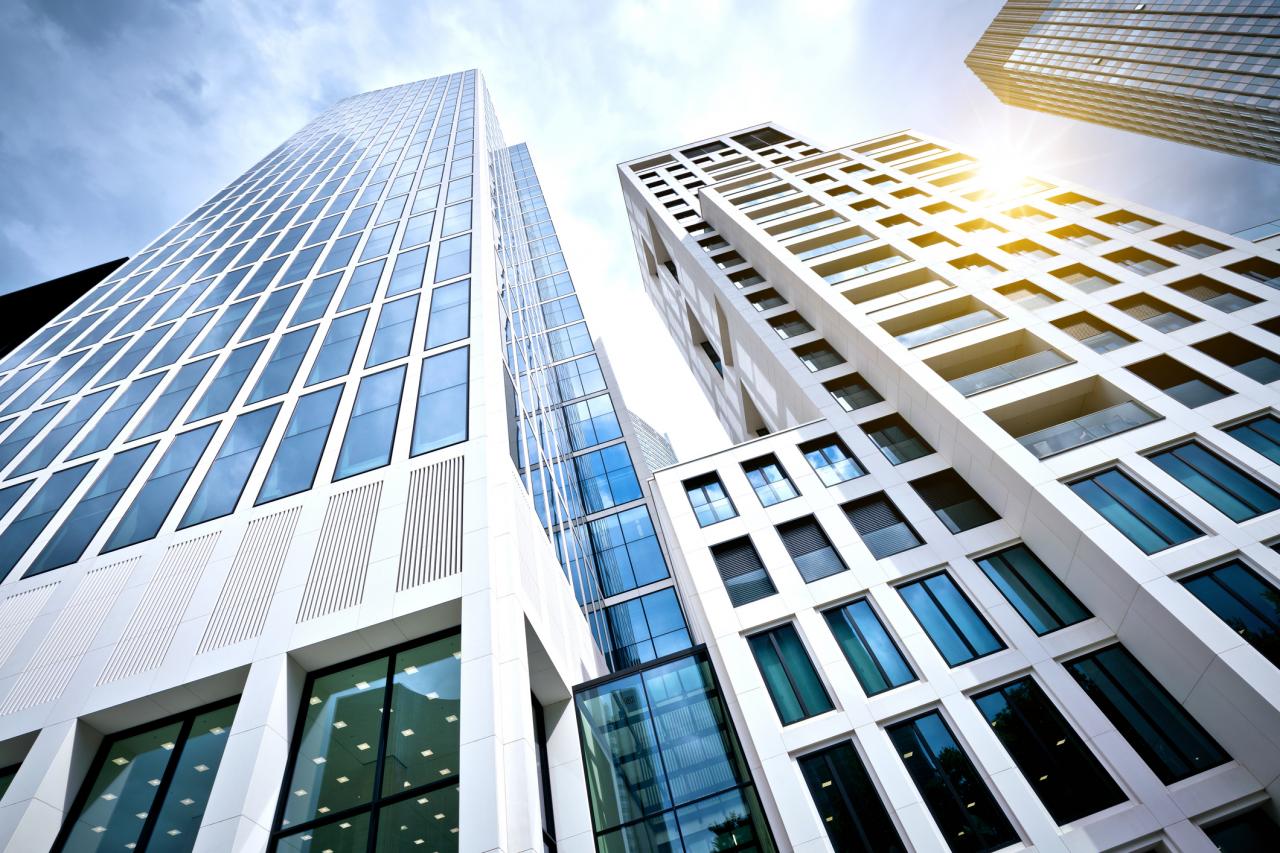
Resilient architecture is a holistic approach, built on three interconnected pillars that guide every stage of a project, from initial design to long-term operation.
A. Preparedness and Protection: Building to Withstand
The first pillar is about designing and constructing a building to physically withstand the direct impact of climate events. This involves a deep understanding of the local climate risks and an engineering approach that prioritizes structural integrity and material durability.
- Hardening the Envelope: This involves reinforcing a building’s exterior to protect against specific threats. For example, in a hurricane-prone area, this would mean using impact-resistant windows, reinforced roofs, and securing all exterior elements. In areas threatened by wildfires, it means using fire-resistant materials for siding and roofing and creating a defensible space around the building.
- Elevating and Waterproofing: In flood-prone regions, resilient design dictates elevating the building above the flood plain. This can be achieved with raised foundations or stilts. Furthermore, waterproofing the lower levels and installing flood vents can allow water to pass through without causing catastrophic structural damage.
- Structural Integrity: The foundational design of a building must be rethought to handle new stresses. For example, a building in an area with increased snowfall must be designed to handle a heavier load. A structure in a region with more frequent high winds must have its connections reinforced to prevent roof uplift and wall collapse.
B. Adaptability and Flexibility: Designing for Change
The second pillar of resilience is designing a building that can adapt to changing conditions and serve multiple functions in a crisis. This moves beyond simply surviving an event to thriving in the face of it.
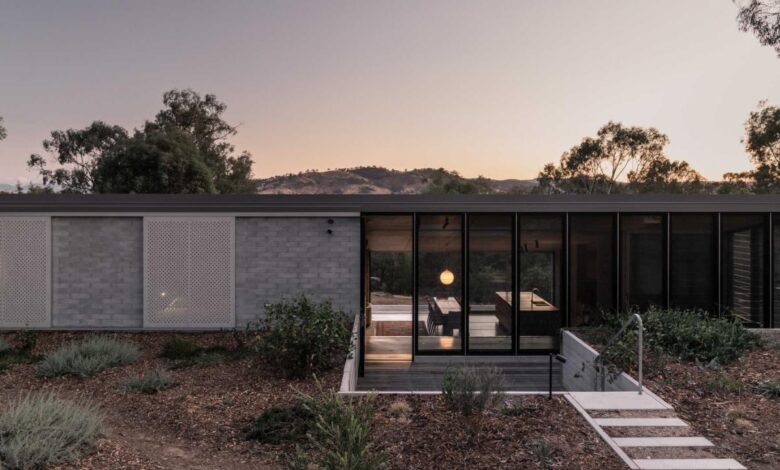
- Passive Survivability: This is the concept of a building’s ability to remain livable and functional even when the power grid goes down. This is achieved through a combination of passive design strategies—like natural ventilation for cooling and high-performance insulation for thermal stability—that ensure the building remains a safe haven without the need for an external energy source.
- Modular and Flexible Spaces: Designing spaces that can be easily reconfigured can be a lifeline in a crisis. For example, a community center that is designed with flexible, modular walls can be quickly converted into an emergency shelter or a medical triage center. This flexibility ensures that the building is not just a building, but a resource for the entire community.
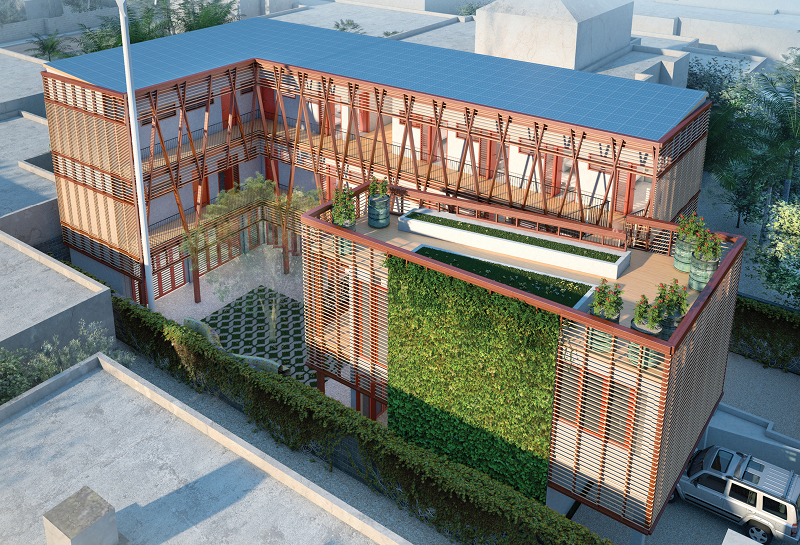
- Local and Decentralized Systems: Resilient buildings are moving toward a decentralized model for critical systems. This includes on-site energy generation (solar panels), rainwater harvesting for water supply, and even waste-to-energy systems. This self-sufficiency means that a building can continue to operate even if the larger city-wide grid or infrastructure fails.
C. Regeneration and Long-Term Sustainability
The third pillar is a forward-looking approach that ensures a building not only survives a crisis but also contributes to the long-term health of the planet and its community. This is where resilience and sustainability become two sides of the same coin.
- Material and Resource Management: Resilient architecture prioritizes the use of sustainable, low-carbon materials that can withstand extreme weather and be easily reused or recycled in the event of damage. This includes using materials with high embodied energy responsibly and choosing those that are sourced locally to reduce the carbon footprint of transportation.
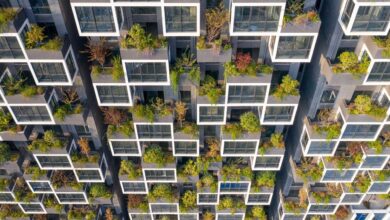
- Urban Green Infrastructure: On a macro-level, resilient urban planning integrates green infrastructure into the built environment. This includes green roofs and walls that absorb rainwater and reduce urban heat island effects, as well as permeable pavements that allow water to seep into the ground, reducing the risk of flash floods.
- Community-Centric Design: A truly resilient building is one that fosters community. It is a place where people can gather, support each other, and share resources in times of need. Resilient design, therefore, must include common spaces, a welcoming public presence, and a sense of shared responsibility.
The Economic and Social Imperative
The financial and human cost of climate-related disasters is skyrocketing. The investment in resilient architecture is no longer a luxury for the wealthy but a crucial economic and social imperative for all.
Economic Benefits
- A. Reduced Insurance Costs: A building that is demonstrably more resilient to extreme weather events will be a lower risk for insurance companies, leading to lower premiums for the owner. This is a direct financial incentive to build better.
- B. Increased Property Value: Resilient buildings are more attractive to buyers and renters who are concerned about the long-term risks of climate change. This makes a resilient property a more valuable and secure asset in the long run.
- C. Cost Savings: While the initial cost of building a resilient structure may be slightly higher, the long-term savings on energy, maintenance, and disaster recovery can be substantial, leading to a much better return on investment over the building’s lifetime.
Social Benefits
- A. Enhanced Safety and Security: The most important benefit of resilient architecture is the protection of human life. A resilient building is a safe haven in a crisis, providing shelter and security when a community needs it most.
- B. Community Stability: A community with a resilient built environment is one that can recover from a disaster more quickly and with less long-term disruption. This protects livelihoods, preserves local economies, and fosters a sense of collective well-being.
- C. Social Equity: Climate change disproportionately affects low-income and vulnerable communities. Investing in resilient architecture and infrastructure in these areas is a critical step toward creating a more equitable and just society, ensuring that everyone has access to safe and secure housing.
The Future of Resilience
The field of resilient architecture is rapidly evolving, driven by technological innovation and a growing sense of urgency.
- A. Predictive Design with AI: AI-powered design tools can now analyze climate data, simulate extreme weather events, and predict a building’s performance in a crisis. This allows architects to make smarter, more data-driven decisions from the very beginning of a project, optimizing for both performance and cost.
- B. Smart Materials and Self-Healing Structures: The future of resilient architecture will be built with materials that are more intelligent. We are already seeing the development of self-healing concrete, which can repair its own cracks, and smart windows that can adjust their opacity to regulate temperature.
- C. The Building as a Micro-Grid: Future buildings will be designed as self-sufficient power stations. They will generate, store, and distribute their own energy, communicating with other buildings in the community to create a distributed, resilient power grid that is not reliant on a single, vulnerable central power plant.
Conclusion
Resilient architecture is a profound and necessary response to the climate crisis. It is a fundamental shift in philosophy that recognizes our buildings are not passive shelters, but active participants in our collective survival. By designing structures that can withstand, adapt to, and even regenerate in the face of environmental stress, we are not just protecting our investments; we are protecting our communities, our economies, and our very way of life.
This is a monumental undertaking that requires a collective effort. It demands that architects, engineers, urban planners, and policymakers work together to embed the principles of resilience into every new project and every urban plan. It requires a willingness to invest in long-term benefits over short-term costs and to embrace a new vision where our built environment is not a part of the problem, but a core part of the solution. The era of building for a stable climate is over. The time to build for resilience is now. The future of humanity will be defined by the strength and adaptability of the structures we choose to create.