For centuries, the construction industry has relied on a finite palette of materials—concrete, steel, and timber—each with a significant environmental footprint. The extraction of raw materials, the energy-intensive manufacturing processes, and the waste generated by demolition have made building a major contributor to global climate change and resource depletion. This unsustainable model, however, is being challenged by a revolutionary and elegant new approach: building with bio-materials. This isn’t just a trend; it’s a fundamental shift in how we source, create, and think about our building materials. Bio-materials are a new generation of materials derived from renewable living organisms, such as plants, fungi, and algae. They offer a powerful and regenerative alternative to traditional materials, promising a future where our buildings are not a drain on the planet’s resources, but a powerful force for a healthier, more sustainable, and more circular economy. This article will serve as a comprehensive exploration of the bio-materials movement, delving into the foundational principles that define it, the groundbreaking innovations that are driving its adoption, and the immense economic, environmental, and social benefits it promises to bring to the built world. We will examine how this movement is reshaping everything from single-family homes to towering commercial structures, proving that a material that is grown, not mined, is the ultimate blueprint for a resilient future.
The Foundational Principles of Bio-Materials

The philosophy of building with bio-materials is rooted in a deep respect for nature and a commitment to creating a circular, regenerative system.
A. Carbon Sequestration: Building with a Purpose
The most profound benefit of bio-materials is their ability to sequester carbon. As plants and other organisms grow, they absorb carbon dioxide from the atmosphere. When these materials are used to build a structure, the carbon is locked away in the building for its entire lifespan. A building made of wood, for example, is a large, tangible carbon sink. This is a radical departure from traditional materials like concrete and steel, which are major sources of carbon emissions. By using bio-materials, we are not just building a structure; we are actively helping to reverse climate change.
B. The Circular Economy: From Life to Life
Bio-materials are at the very heart of the circular economy. Unlike traditional materials that are often destined for a landfill at the end of a building’s life, bio-materials can be returned to the earth. A building made of bio-materials can be deconstructed, and its materials can be composted and returned to the soil, where they can be used to nourish new plant growth. This creates a continuous, regenerative cycle of life, eliminating waste and ensuring that our buildings are a part of a larger, living ecosystem.
C. Health and Well-being: A Building that Breathes
Bio-materials are often non-toxic and breathable, creating a healthier and more comfortable indoor environment. Unlike conventional materials that can off-gas harmful chemicals, bio-materials are free from toxins and can help to regulate humidity and improve indoor air quality. This is a critical benefit in a world where we spend over 90% of our lives indoors.
The New Materials
The field of bio-materials is a hotbed of innovation, with scientists and designers creating a new and diverse palette of materials that are not just sustainable, but also highly functional, durable, and aesthetically beautiful.
Plant-Based Materials
- A. Mycelium: The Mushroom Brick: Mycelium, the root structure of mushrooms, can be grown in molds to create bricks, insulation, and even furniture. It’s a natural, biodegradable material that is fire-resistant, lightweight, and strong. The entire process of growing a mycelium brick takes a matter of weeks, making it a fast and highly efficient alternative to traditional materials.
- B. Hempcrete: The Natural Insulator: Hempcrete is a composite material made from hemp hurds and a lime binder. It’s a natural, breathable material that provides excellent thermal and acoustic insulation. It is also a powerful carbon sink, as the hemp plant absorbs a significant amount of carbon dioxide as it grows.
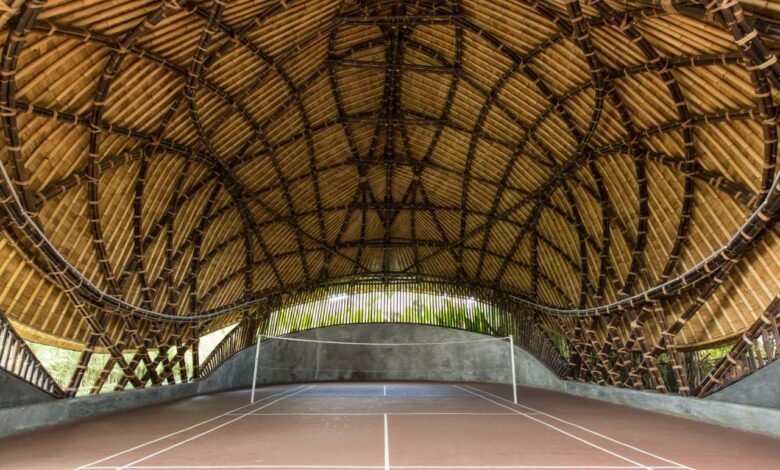
- C. Bamboo: The Sustainable Steel: Bamboo is one of the fastest-growing plants on earth, making it a highly renewable resource. It is also incredibly strong and can be used as a structural material, a durable flooring, or a beautiful facade. It’s a natural alternative to steel and timber that is both beautiful and highly functional.
Innovative Bio-Materials
- A. Algae Bricks: The Living Facade: Researchers are now developing bricks made from algae that are designed to be part of a building’s facade. These “bio-reactors” use the algae to absorb carbon dioxide and to generate a biofuel that can be used to power the building. The algae can also be used to insulate the building, creating a living, self-sufficient, and energy-generating facade.
- B. Bio-Concrete: The Self-Healing Structure: Researchers are developing a new kind of concrete that uses bacteria to heal its own cracks. When a crack forms in the concrete, the bacteria, which are embedded in the material, are activated by water and produce limestone, which fills the crack and repairs the concrete. This is a powerful new material that can extend a building’s lifespan and make it more resilient to climate change.
- C. Recycled and Salvaged Materials: While not strictly bio-materials, the use of recycled and salvaged materials is a key part of the regenerative architecture movement. The materials from an old building, such as wood, stone, and brick, can be salvaged and reused in a new construction. This eliminates waste and preserves the embodied energy of the old building.
The Profound Impact
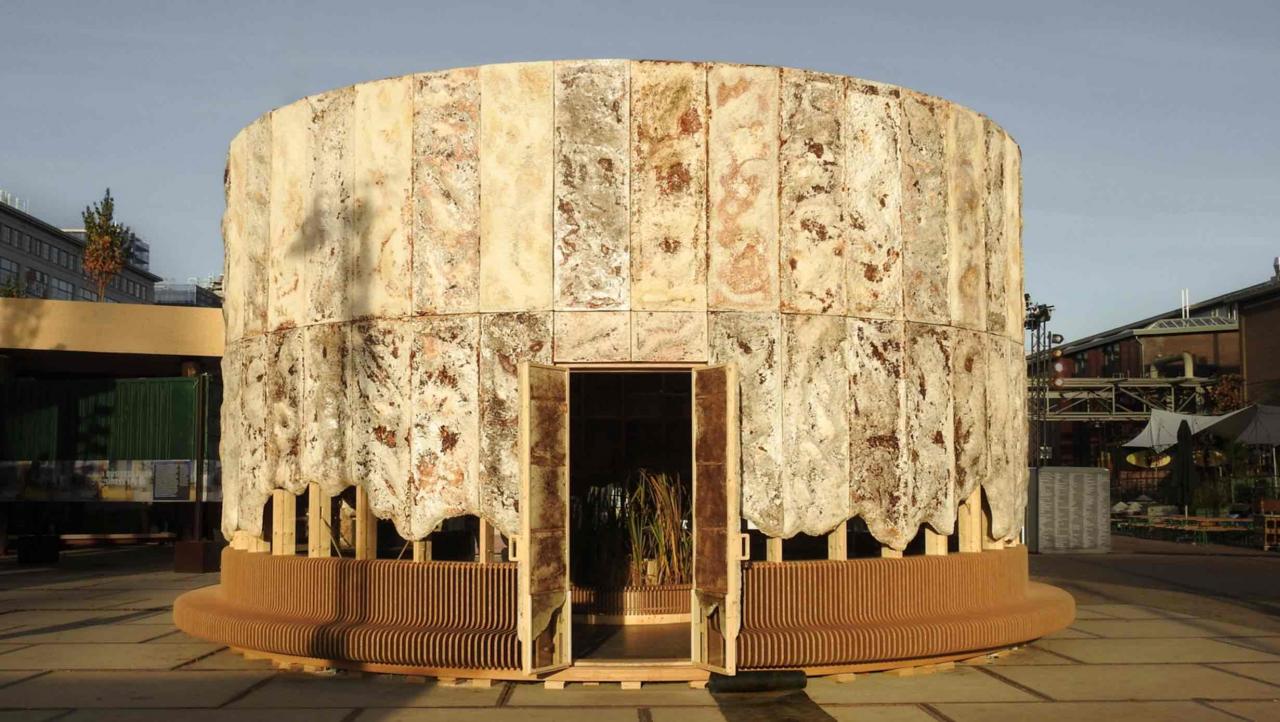
The widespread adoption of bio-materials would have a transformative impact on our urban centers and our planet.
Economic Impact
- A. A New Economic Engine: The bio-materials industry is a major new economic engine, creating new jobs in everything from research and development to manufacturing and construction. It provides a new and sustainable alternative to the resource-intensive and often volatile market of traditional building materials.
- B. A More Resilient Supply Chain: A local and regenerative supply chain of bio-materials is far more resilient to global shocks than a global supply chain of conventional materials. This makes a community that is building with bio-materials more self-sufficient and more secure in the face of a changing world.
- C. Lower Long-Term Costs: While some bio-materials may have a higher initial cost, the long-term savings on energy, maintenance, and end-of-life costs often make them a more affordable option in the long run.
Environmental and Social Impact
- A. A More Sustainable Future: Building with bio-materials is a powerful tool in the fight against climate change and resource depletion. It is a regenerative approach that turns our buildings from a part of the climate problem to a part of the climate solution.
- B. Healthier Communities: The use of non-toxic bio-materials creates a healthier indoor and outdoor environment, reducing a community’s exposure to harmful pollutants and improving its overall well-being.
- C. A Deeper Connection to Nature: A building made of natural, living materials can foster a deeper connection to nature for its occupants. This is a powerful antidote to the urban alienation that is so common today and a step toward a more humane and more connected urban life.
Conclusion
Building with bio-materials is more than a fleeting trend in architecture; it is a profound and necessary re-evaluation of the purpose of a building. It is a philosophy that sees our buildings not as dead, inorganic structures, but as active participants in our ecosystem. By using materials that are grown, not mined, and by creating a circular, regenerative system of construction, we are not just building for a climate-uncertain future; we are building a future where humanity and nature can coexist in a beautiful and regenerative symbiosis.
The journey to this future will not be easy. It requires a fundamental shift in how architects are trained, how projects are funded, and how we, as a society, measure success. It demands that we move beyond the apathetic pursuit of “less bad” and embrace the audacious goal of a truly regenerative built world. The bio-materials movement provides a clear and inspiring roadmap for this journey. It is a powerful reminder that our buildings can be a source of life, not just a drain on our resources. The era of the inert, inorganic building is over. The time of the living, regenerative, and resilient structure has begun. This is the blueprint for a future that is not just more functional, but also has a soul.