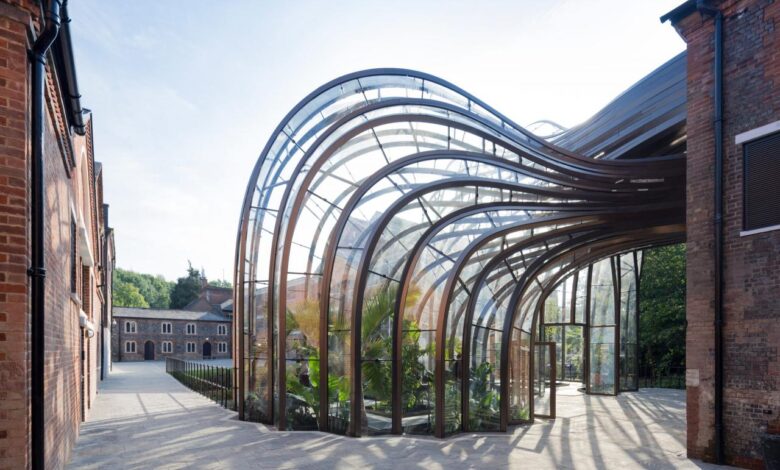
The urban landscape is a living museum, a tapestry of structures from different eras, each with a story to tell. For decades, the dominant narrative has been one of demolition and new construction. When a building became obsolete, inefficient, or simply fell out of fashion, the common solution was to tear it down and start over. This linear, “use and dispose” model has had a devastating environmental and cultural impact, contributing to landfills, wasting vast amounts of embodied energy, and erasing our architectural heritage. Today, however, a powerful and transformative architectural movement is challenging this destructive cycle: adaptive reuse. This is the practice of repurposing and revitalizing old buildings for a new function, breathing new life into forgotten structures. It’s a philosophy that sees history not as an obstacle to progress, but as a rich resource for innovation and a powerful tool for sustainability. This article will serve as a comprehensive exploration of adaptive reuse, delving into its foundational principles, the groundbreaking methods that enable it, and the immense economic, environmental, and social benefits it promises to bring to our cities. We will examine how this trend is reshaping everything from old factories and churches to historic warehouses, proving that the most sustainable building is often the one that’s already built.
The Foundational Principles of a New Philosophy
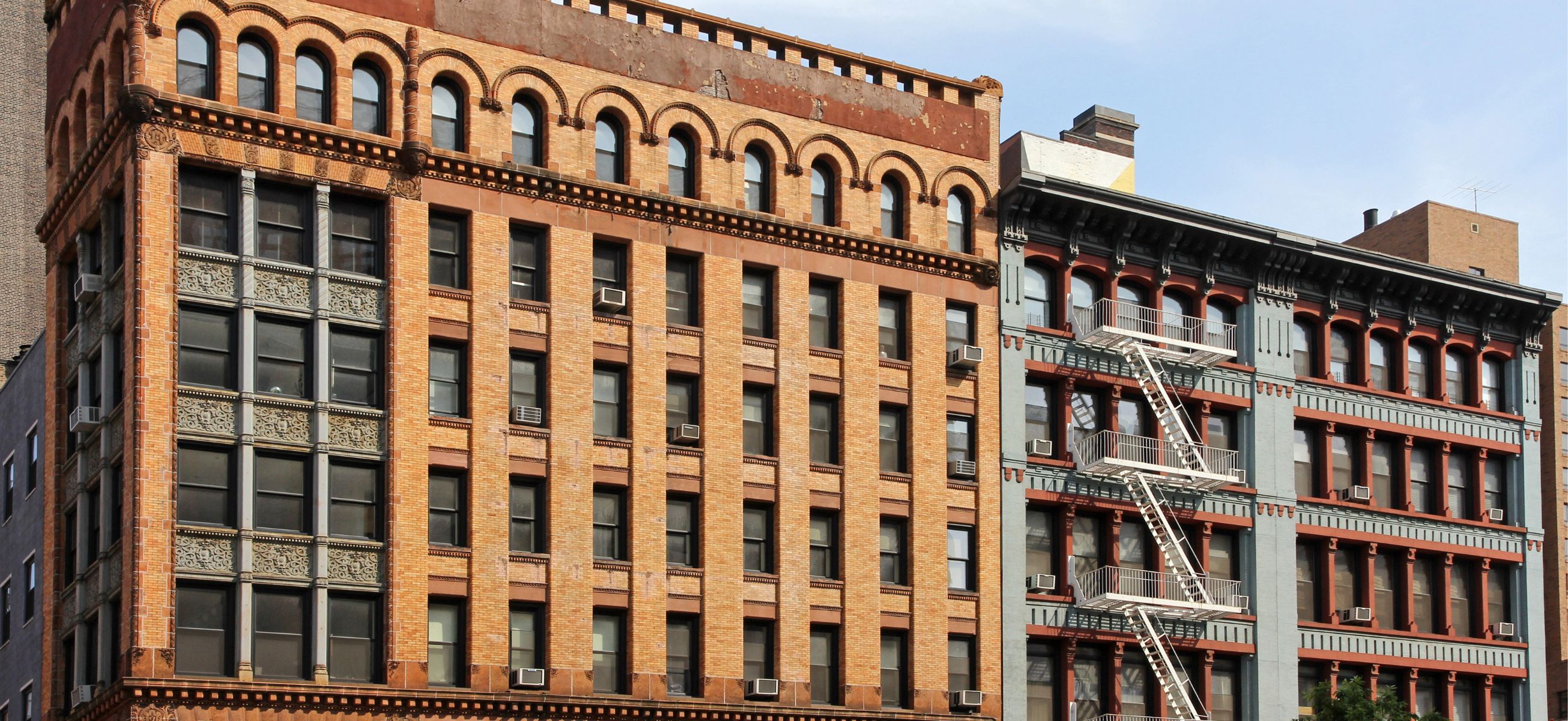
Adaptive reuse is more than a simple renovation; it’s a creative and strategic approach to building that is guided by a set of core principles.
A. Valuing Embodied Energy:
Every building, regardless of its age or condition, holds a massive amount of “embodied energy”—the total energy consumed to extract, process, manufacture, and transport all of its materials. Demolishing a building squanders this energy and releases vast amounts of carbon and other pollutants into the atmosphere. Adaptive reuse is a powerful act of conservation, preserving this embodied energy and significantly reducing a project’s carbon footprint. It is the single most important principle of sustainable architecture.
B. Honoring Architectural Heritage:
Our buildings are not just structures; they are cultural artifacts that tell the story of a place and a people. Adaptive reuse respects and celebrates this history, preserving architectural details, original materials, and the unique character of a building. It’s an act of cultural preservation that enriches a community and provides a powerful connection to the past. A repurposed old factory, for example, can become a symbol of a city’s industrial past, while a transformed church can become a new cultural hub, giving its sacred architecture a new, secular purpose.
C. Creative Problem-Solving:
Adaptive reuse is, by its very nature, an exercise in creative problem-solving. A designer is not starting with a blank canvas; they are working with the unique constraints and opportunities of an existing structure. This forces a different kind of thinking, one that is more inventive and resourceful. The limitations of a building’s original design, from its awkward layout to its irregular columns, become a catalyst for innovation and a unique design solution that would be impossible to achieve in a new construction.
The Practical Applications
Adaptive reuse is being applied to a wide range of building types, transforming derelict and forgotten structures into vibrant, functional, and economically viable spaces.
Industrial and Commercial Spaces
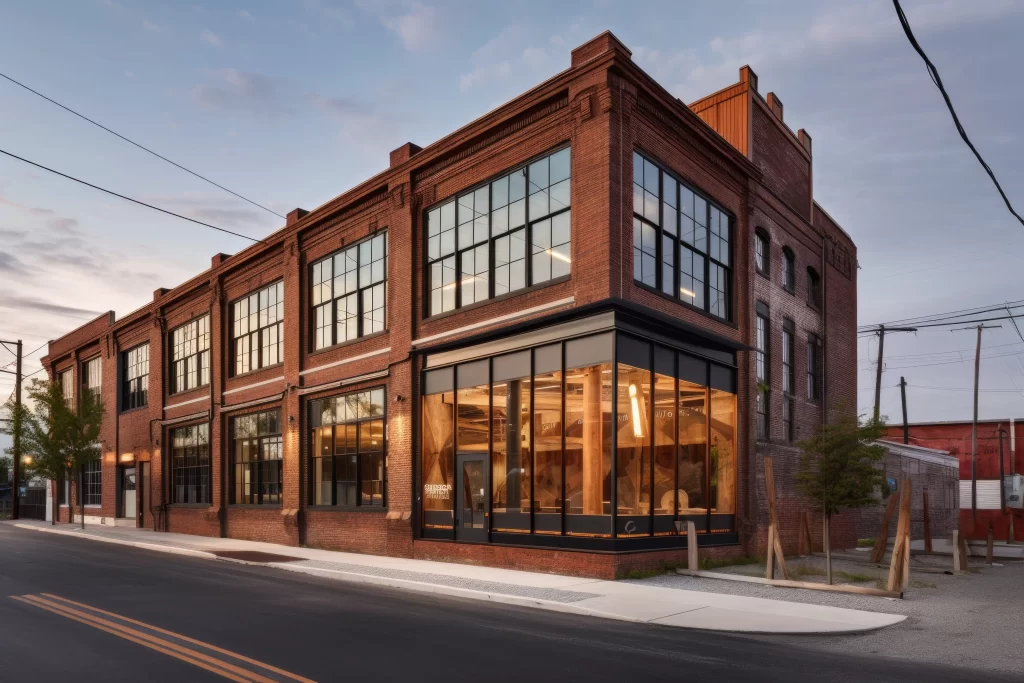
- A. The Factory to Loft Conversion: The classic example of adaptive reuse. Old, sprawling factories and warehouses, once the engines of a city’s economy, are now being converted into trendy residential lofts, art studios, and collaborative office spaces. Their high ceilings, large windows, and open floor plans are an ideal canvas for modern, minimalist design, and their gritty, industrial aesthetic is highly sought after by a new generation of urban dwellers and creative professionals.
- B. The Warehouse District Transformation: Entire districts of old warehouses are being revitalized and transformed into vibrant, mixed-use neighborhoods. The brick and timber-framed structures are being repurposed into retail shops, restaurants, co-working spaces, and public markets, creating a new hub of economic and social activity that honors the district’s industrial heritage.
Institutional and Public Spaces
- A. The Church to Cultural Center: With declining congregations in many parts of the world, old churches are becoming a challenge to maintain. Adaptive reuse offers a beautiful solution. Their grand, open spaces, and stunning architecture can be repurposed into everything from concert halls and theaters to libraries and community centers. The challenge here is to create a design that is respectful of the building’s history while giving it a new purpose.
- B. The School to Senior Living Facility: As demographics shift and old school buildings are no longer needed, they can be repurposed into multi-family housing or senior living facilities. Their existing infrastructure, from classrooms to gymnasiums, can be easily converted into a new, functional living space.
- C. The Train Station to Transit Hub: Old, sprawling train stations, once the heart of a city’s transit network, are being transformed into modern, intermodal transit hubs. This preserves their historic architecture while integrating them with new public transit, bike lanes, and other forms of urban mobility.
The Economic, Environmental, and Social Returns
The benefits of adaptive reuse extend far beyond a single building; they have a ripple effect that impacts an entire community.
Economic Advantages
- A. Cost-Effectiveness: In many cases, it is more affordable to repurpose an existing building than it is to demolish it and build a new one from scratch. This is because a significant portion of the work, from the foundation to the basic structural frame, is already in place.
- B. Accelerated Timelines: The timeline for an adaptive reuse project can be significantly shorter than a new construction, which means a property can be put to a new use and start generating revenue much sooner.
- C. Increased Property Value: Buildings that have been thoughtfully and creatively repurposed often become highly desirable and command a premium in the real estate market. They are unique, character-filled properties that are more attractive to tenants and buyers who are looking for something different.
Environmental and Social Benefits
- A. A Sustainable Solution: Adaptive reuse is a powerful tool for sustainability. By preserving a building’s embodied energy and reducing the demand for new materials, it significantly lowers a project’s carbon footprint and reduces construction waste.
- B. Community Revitalization: An adaptive reuse project can be a catalyst for the revitalization of an entire neighborhood. By transforming a derelict building into a vibrant new space, it can attract new businesses, new residents, and new energy, turning a blighted area into a thriving community.
- C. Fostering a Sense of Place: In an increasingly homogenized world, adaptive reuse helps a city maintain its unique identity and sense of place. It preserves the architectural heritage that tells a city’s story and gives its residents a powerful connection to the past. It’s a way of ensuring that our cities are not just functional, but also have a soul.
The Future of Adaptive Reuse
The practice of adaptive reuse is not static; it is a rapidly evolving field driven by new technologies and a growing sense of urgency.
- A. Digital Twins and 3D Scanning: The use of laser scanners and drone technology can now create a precise, 3D model of an existing building. This “digital twin” allows architects to meticulously plan their design, identify potential structural issues, and create a more accurate and efficient renovation plan.
- B. AI-Powered Design: AI can now be used to analyze an old building’s layout and structural integrity and to generate thousands of potential design solutions for a new purpose. This helps a designer to quickly explore different possibilities and to find the most efficient and creative solution for a project.
- C. Material Salvage and a Circular Economy: The future of adaptive reuse will be increasingly tied to the circular economy. Old buildings will not just be repurposed; their materials will be meticulously salvaged and used in new construction projects, creating a continuous cycle of reuse that minimizes waste and maximizes resources.
Conclusion
Adaptive reuse is more than just a passing trend in architecture; it is a profound and necessary re-evaluation of our built world. It is a philosophy that sees our old buildings not as dead weight but as a rich source of inspiration, a powerful tool for sustainability, and a key to creating more vibrant, character-filled communities. By choosing to restore and repurpose, rather than to demolish and rebuild, we are making a powerful statement. We are declaring that we value our history, that we are committed to a sustainable future, and that we are willing to embrace the creative challenge of breathing new life into old forms.
The journey to a future built on adaptive reuse will not be easy. It requires a fundamental shift in how developers, architects, and policymakers think about urban development. It requires a willingness to embrace the challenges and the complexities of working with existing structures. But the rewards are immense: more affordable and sustainable buildings, a more resilient and character-filled urban landscape, and a renewed sense of connection to our past. The era of the disposable building is over. The time of the living, evolving, and resilient structure has begun. This is the blueprint for a future that is not just more functional, but also has a soul.