

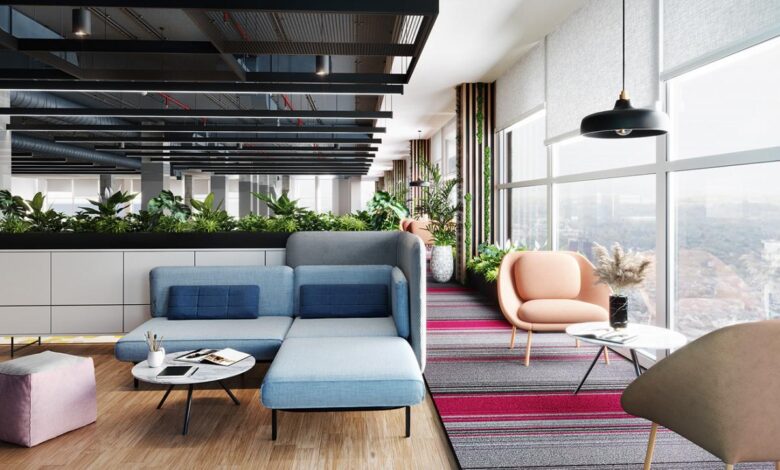
For over a century, the commercial building has been a static monument to corporate efficiency, defined by long hallways, identical cubicles, and a singular focus on maximizing square footage. This rigid, impersonal model, however, has been rendered obsolete by a series of seismic shifts in how we live, work, and interact. The rise of remote work, a global pandemic that forced us to rethink our public spaces, and a growing demand for flexibility and well-being have converged to create a new imperative for architects and designers: to reimagine commercial spaces. This is not just a trend but a fundamental reorientation of our built environment, a shift from a focus on function alone to a holistic approach that prioritizes human experience, collaboration, and adaptability. The commercial spaces of tomorrow will not just house workers; they will be dynamic, intelligent, and flexible ecosystems that foster creativity, community, and a deeper sense of connection. This article will serve as a comprehensive exploration of this architectural revolution, delving into the core principles that define it, the groundbreaking innovations that are driving its adoption, and the immense potential it holds for creating a more sustainable, resilient, and human-centric urban landscape. We will examine how this movement is reshaping everything from towering office buildings to sprawling retail centers, proving that a space that is designed for people, not just for profit, is the ultimate competitive advantage.
The Forces of Change
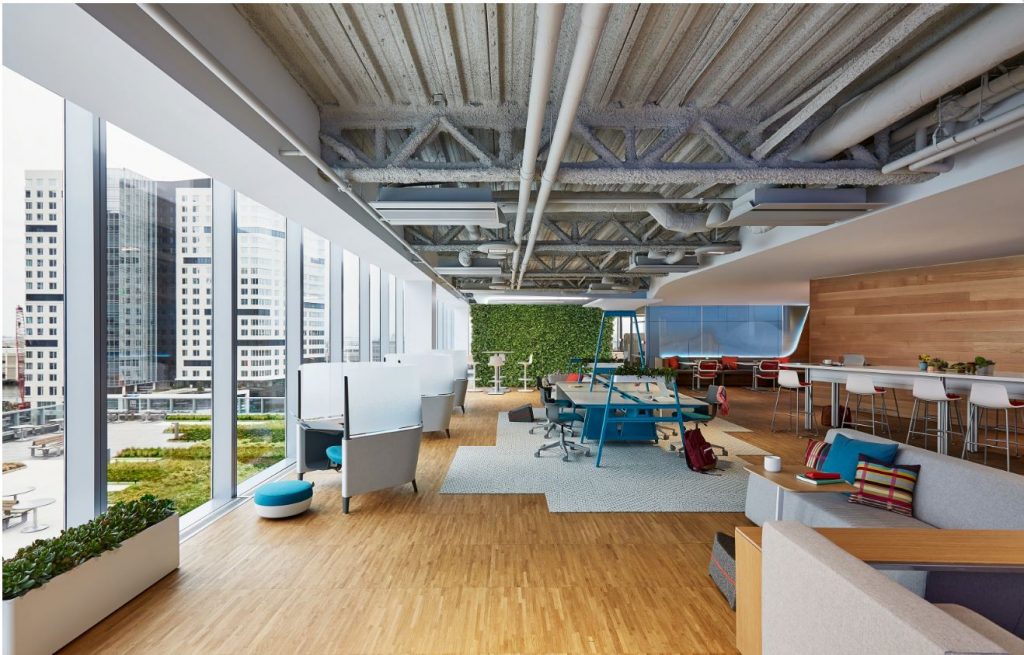
The traditional commercial space, with its long lease terms and inflexible layout, is failing to meet the demands of a new generation of workers and consumers. This failure is the result of several powerful, interconnected forces.
A. The Hybrid and Remote Work Revolution:
The most significant change is the widespread adoption of remote and hybrid work models. For decades, the office was the only place to work. Now, a person can work from anywhere, from a coffee shop to their own home. This has forced companies to re-evaluate the purpose of the office. It is no longer a place to simply house employees; it is now a destination, a social hub, and a place for collaboration and culture-building. The new office must provide a compelling reason for employees to come in, offering an experience that they cannot get at home.
B. The Rise of the Experience Economy:
In a world of online shopping and on-demand delivery, traditional retail is no longer about a simple transaction. Consumers are now seeking an experience. A physical store must be more than just a place to buy a product; it must be a destination, a social space, and a community hub. The new retail space must be a flexible, immersive environment that is a powerful extension of a brand’s identity and values.
C. The Prioritization of Well-being:
After a global pandemic and a rise in mental health awareness, companies are now recognizing that their most valuable asset is their people. A building that is designed to prioritize human well-being, with access to natural light, fresh air, and biophilic elements, is a powerful tool for attracting and retaining talent. The new commercial space must be a sanctuary, a restorative environment that actively supports the physical and mental health of its occupants.
The Foundational Principles of a Reimagined Space
A reimagined commercial space is built on a set of core principles that prioritize flexibility, humanity, and intelligence.
Flexibility and Adaptability
- A. Fluid and Multi-functional Spaces: The rigid, single-purpose office is a thing of the past. The new commercial space is designed to be fluid and multi-functional. A large, open room can be a collaborative hub in the morning, a training center in the afternoon, and an event space in the evening. This flexibility is achieved through a combination of modular furniture, reconfigurable walls, and intelligent lighting systems that can change a space’s function with a single command.
- B. The Hub-and-Spoke Model: In the new era of work, a single, central headquarters is no longer necessary. Many companies are adopting a “hub-and-spoke” model, with a smaller central office (the hub) and a network of smaller, satellite offices (the spokes) located in suburban or residential areas. This allows employees to work closer to home and provides a new level of convenience and flexibility, reducing commute times and helping to retain a diverse and dispersed workforce.
- C. Flexible Lease Agreements: The long-term, fixed lease agreement is a major liability in a world of constant change. Commercial spaces are now being designed to accommodate more flexible lease terms, from a short-term, month-to-month rental to a flexible, long-term lease that allows a company to easily scale up or down as its needs change.
Human-Centric and Biophilic Design
- A. The Power of Natural Light: The single most important element of human-centric design is access to natural light. A well-lit office can improve productivity, reduce eye strain, and boost mood. A reimagined commercial space will use a combination of floor-to-ceiling windows, atriums, and skylights to flood the space with natural light, creating an environment that feels more open, airy, and inviting.
- B. Biophilic Elements: The presence of nature in a commercial space has been scientifically proven to reduce stress and improve focus. A reimagined office will not just have a few plants on a desk; it will be infused with natural elements, from living walls and indoor trees to water features and natural, organic materials. The goal is to create a space that feels like a natural extension of the outdoors, not a sterile, artificial environment.
- C. A Focus on Experience: The new commercial space is about creating a memorable experience. A reimagined retail store will have a cafe, a community event space, and a lounge area, encouraging customers to stay longer and to form a deeper connection with the brand. A reimagined office will have a variety of amenities, from a high-quality cafe and a gym to a quiet meditation room and a rooftop garden, providing an experience that goes far beyond a traditional desk job.
The Technology Driving the Transformation

The reimagining of commercial spaces is powered by a new generation of smart technologies that provide a level of data-driven intelligence and automation that was previously unimaginable.
- A. The Connected Building’s Core: A modern commercial building is a network of smart sensors, from occupancy sensors that manage a building’s lighting and climate control to environmental sensors that monitor air quality and noise levels. This real-time data is a goldmine for facility managers, providing a complete overview of a building’s operation and allowing them to optimize its performance in real time.
- B. AI-Powered Building Management Systems: The data from the sensor network is processed by an AI-powered Building Management System (BMS). The BMS learns occupant behavior and automates a building’s systems to maximize efficiency and comfort. It can predict energy use, manage security, and even adjust a building’s ventilation to improve indoor air quality. This intelligent automation is a critical tool for creating a more sustainable and more responsive environment.
- C. The Building as a Service (BaaS): The commercial space of the future will be a platform for a range of new services. The data collected by a building can be used to provide tenants with a range of new amenities, from on-demand food delivery and concierge services to a personalized fitness plan that is tailored to their specific needs. The building will not just be a place to work; it will be a service provider that is designed to enhance every aspect of its occupants’ lives.
Conclusion
The reimagining of commercial spaces is more than a fleeting trend in architecture; it is a fundamental and necessary response to a new era of work, a new generation of consumers, and a new imperative for human well-being. By moving beyond a singular focus on cost and efficiency and embracing a holistic approach that prioritizes flexibility, humanity, and intelligence, architects and designers are creating a new kind of built environment. The commercial spaces of tomorrow will not just house a business; they will be a powerful tool for attracting and retaining talent, a key driver of innovation and creativity, and a powerful symbol of a company’s commitment to a sustainable and human-centric future.
The journey to this future requires a collaborative effort from architects, developers, and business leaders. It demands that we think not in terms of static structures, but in terms of dynamic, adaptable ecosystems. It requires a willingness to invest in a long-term vision where a building is not a liability but a strategic asset. The era of the traditional commercial building is over. The time of the intelligent, human-centric, and flexible space has begun. This is the blueprint for a future that is not just more productive, but also more humane, more connected, and more alive.
