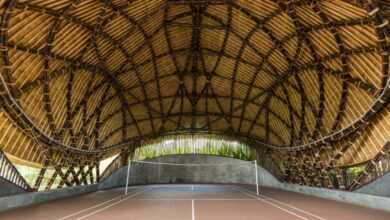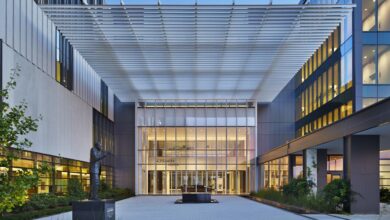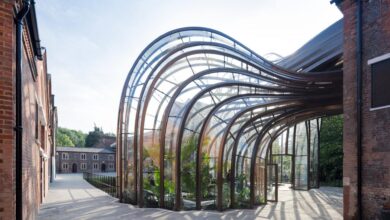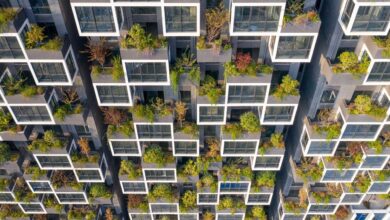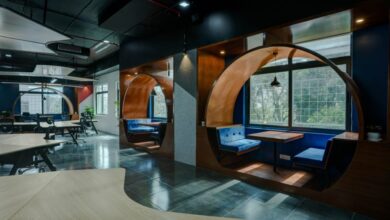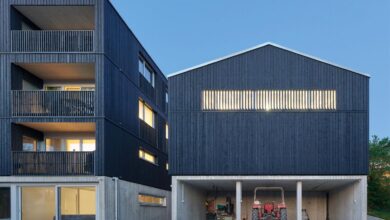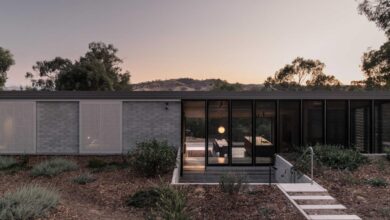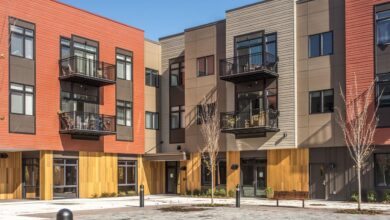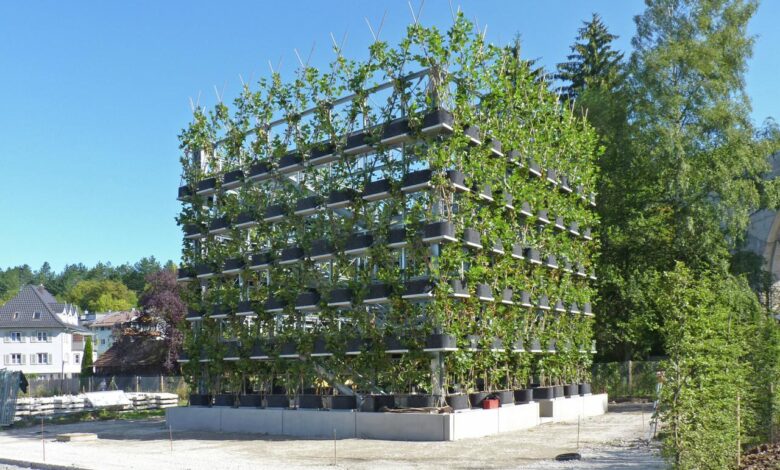
For too long, our buildings have been treated as inert, inorganic objects—passive shells that protect us from the elements. They are static, energy-intensive, and often exist in stark contrast to the natural world around them. This conventional model, however, is being challenged by a radical new architectural philosophy: the “Living Building.” This is more than just a green or sustainable building; it’s a regenerative structure that functions like a living organism. It actively purifies its own air and water, generates its own energy, and contributes positively to its environment and the people who inhabit it. The concept is based on a profound and elegant idea: what if our buildings could be as efficient and self-sufficient as a tree? What if they could give more than they take? This article will serve as a comprehensive exploration of the living building movement, delving into its foundational principles, the groundbreaking technologies that enable it, and the immense potential it holds for creating a future where the built environment is a powerful force for ecological and human health. We will examine how this vision is reshaping architecture and urban planning, proving that true sustainability is not about minimizing harm, but about creating a symbiotic relationship between humans and our habitats.
The Living Building Challenge
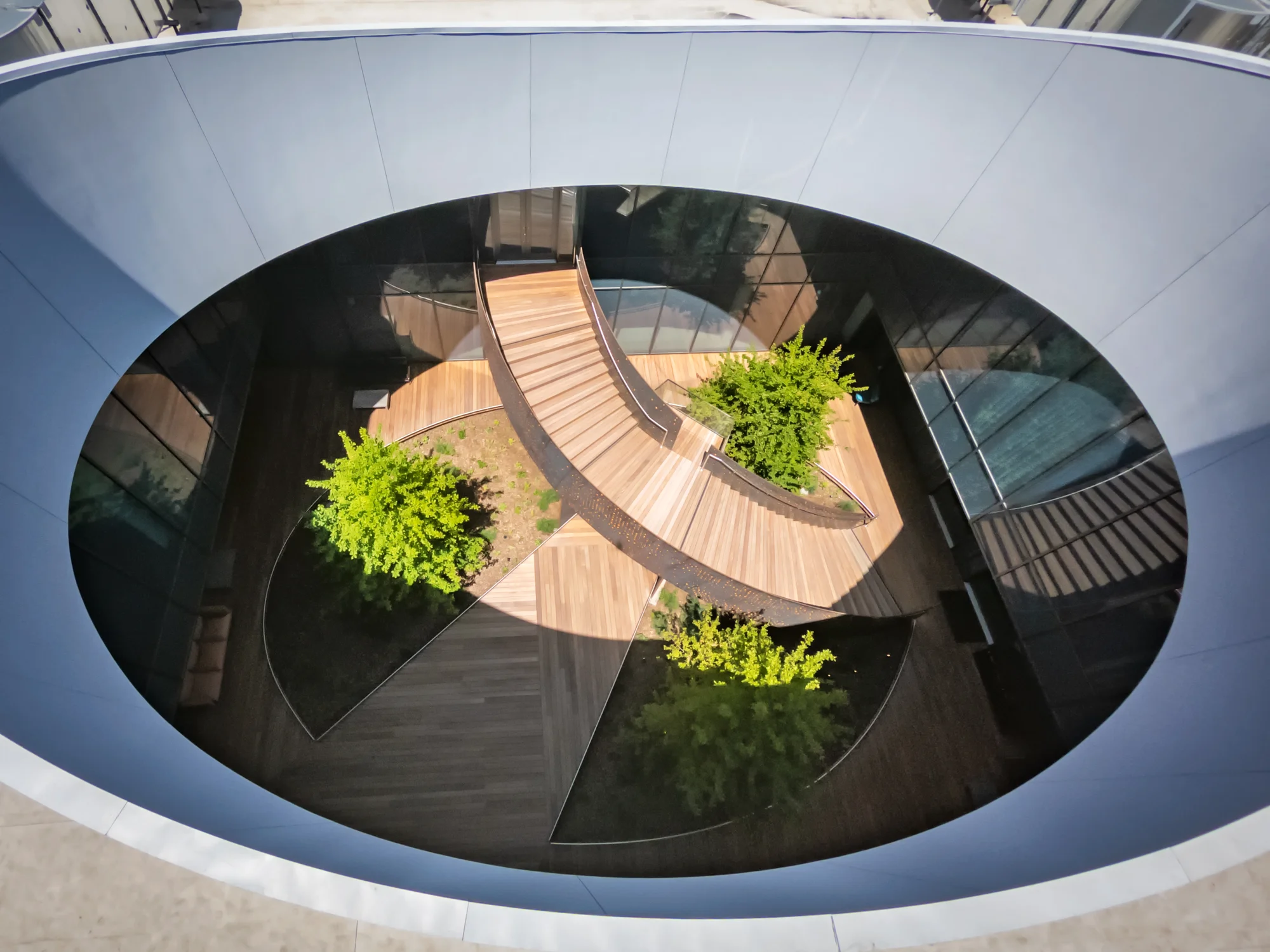
The living building movement is guided by the Living Building Challenge (LBC), a rigorous and holistic performance standard that goes far beyond conventional green building certifications. It is a philosophy and a certification system that provides a clear, aspirational framework for what a truly regenerative building should be. The LBC is organized into seven “petals,” each representing a specific performance area. A project must meet all of the imperatives of each petal to achieve certification.
A. Site: A Place That Gives More Than It Takes
The Site petal is about creating a building that is deeply connected to its local ecosystem and does not disrupt it. This means protecting and restoring the natural habitat, a building’s footprint must be no larger than the site’s previous footprint. It also means designing with the local ecology in mind, using indigenous plants and landscaping to restore a site’s biodiversity and prevent soil erosion. The goal is to create a building that not only exists on a piece of land but actively enhances its health.
B. Water: A Building That Gathers and Reuses
A living building is designed to be a completely closed-loop water system. It collects its own water from rainwater, purifies it, and reuses it for all its needs, from drinking and bathing to flushing toilets and irrigation. It also treats its own wastewater on-site. This eliminates the need for municipal water and sewage infrastructure, making the building a completely self-sufficient and resilient water ecosystem.
C. Energy: A Building That Generates Its Own Power
The Energy petal dictates that a living building must generate all of its energy needs on-site from renewable sources, without relying on fossil fuels. This is achieved through a combination of highly efficient passive design, high-performance insulation, and active technologies like solar panels and wind turbines. The building must be a net energy producer, generating a surplus of clean energy over a 12-month period.
D. Health & Happiness: A Building That Nourishes the Soul
The Health & Happiness petal focuses on the profound link between a building and the well-being of its occupants. It requires designers to use biophilic principles, maximizing access to natural light, fresh air, and views of nature. It also mandates the use of non-toxic, healthy building materials, creating an environment that is not just beautiful but also actively supports the physical and mental health of its inhabitants.
E. Materials: A Building That Is Not Toxic
This petal is about creating a building with a truly transparent and ethical supply chain. It requires designers to vet every material to ensure it is free from a “Red List” of toxic chemicals that are harmful to humans and the environment. It also encourages the use of local and salvaged materials, reducing the carbon footprint of transportation and supporting a circular economy.
F. Equity: A Building That Is Just and Accessible
The Equity petal is about social sustainability. It requires a building to be a fair and equitable space for everyone. This includes designing for universal accessibility, ensuring that all occupants have access to natural light and fresh air, and creating a space that is welcoming to people of all backgrounds. It is a powerful reminder that true sustainability must be for everyone, not just a privileged few.
G. Beauty: A Building That Inspires
The final petal is a tribute to the art of architecture. It requires a living building to be more than just a high-performing machine; it must be a beautiful, inspiring space that connects people to its local context and uplifts the human spirit. The beauty of a living building is rooted in its honesty, its functionality, and its deep connection to its environment.
The Technology Enabling a Symbiotic Future
The living building movement is not just a philosophy; it is a technological marvel, powered by a convergence of cutting-edge innovations that make its audacious goals a reality.
Water Management
- A. Rainwater Harvesting and Purification: Living buildings are equipped with sophisticated systems that collect rainwater from the roof, store it in cisterns, and then purify it using a multi-stage filtration process that includes UV sterilization. This purified water can then be used for drinking, cooking, and all other needs.
- B. On-Site Wastewater Treatment: Wastewater from sinks and showers (gray water) and from toilets (black water) is treated on-site using a natural, biological process that mimics an artificial wetland. The treated water is then used for irrigation or sent back into the local aquifer, ensuring that the building has a completely closed-loop water system.
- C. Composting Toilets: For black water, living buildings often use composting toilets that convert human waste into nutrient-rich compost, which can then be used to fertilize the plants on the building’s facade or in its garden. This eliminates the need for a traditional sewage system and turns a waste product into a valuable resource.
Energy Generation and Management
- A. Building-Integrated Photovoltaics (BIPV): Solar panels are no longer just an add-on; they are seamlessly integrated into a building’s design. BIPV panels can be used as a building’s facade, roof, or even its windows, serving a dual purpose of generating power and providing an aesthetic appeal.
- B. Geothermal Heat Pumps: These systems use the stable temperature of the earth to provide a building with highly efficient heating and cooling. They work by circulating a fluid through a pipe system buried underground, transferring heat from the earth into the building in the winter and from the building into the earth in the summer.
- C. Smart Building Management Systems: AI-powered systems are the brains of a living building. They are constantly monitoring energy consumption, adjusting lighting and climate control based on occupancy, and optimizing the flow of energy between the solar panels, the battery, and the building’s systems. This intelligent automation ensures that the building is always operating at peak efficiency.
The Profound Impact of the Living Building
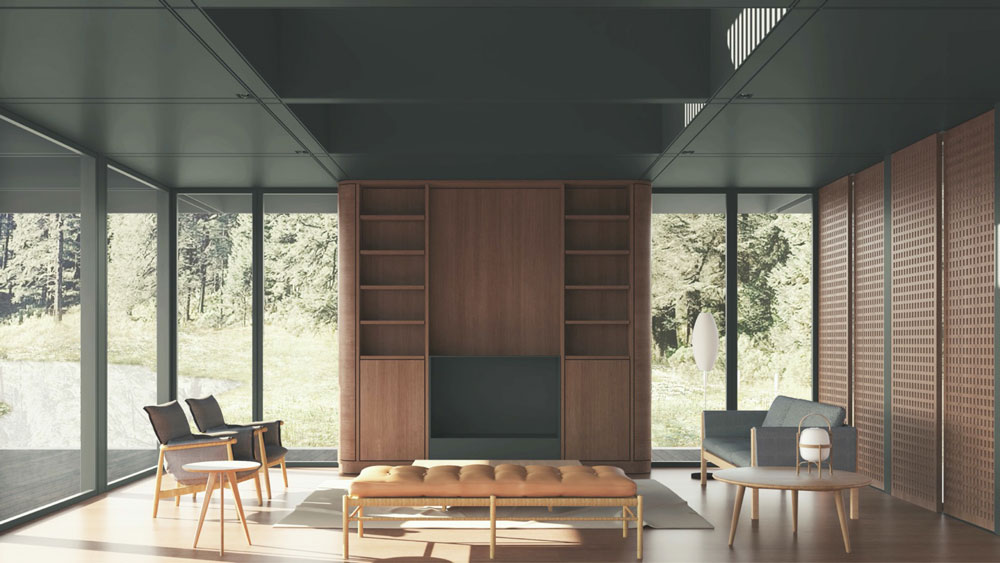
The widespread adoption of living buildings would have a transformative impact on our urban centers and our planet.
- A. A New Economic Model: While the initial cost of a living building can be higher, its long-term economic benefits are immense. The elimination of utility bills for energy and water, combined with reduced maintenance costs and increased property value, makes a living building a sound and profitable long-term investment.
- B. Environmental Restoration: A city full of living buildings would be a city that is actively healing the environment. The collective effect of these buildings, purifying air and water, generating clean energy, and restoring biodiversity, would create a new kind of urban landscape that is a powerful force for ecological regeneration.
- C. A Blueprint for a Regenerative Society: The living building movement is not just about architecture; it is about a new way of thinking. It provides a tangible, real-world example of what a regenerative, self-sufficient, and equitable society could look like. It proves that it is possible to live in harmony with our environment, to create abundance without consuming finite resources, and to build a world that is not just sustainable but truly thriving.
Conclusion
The living building is more than a revolutionary architectural concept; it is a powerful symbol of a profound shift in our relationship with the built environment and the natural world. It is a bold and beautiful vision that challenges the status quo and proves that our buildings can be so much more than passive shelters. They can be active partners in our health and well-being, and powerful forces for ecological regeneration. By designing structures that are truly alive, that purify their own air and water, that generate their own energy, and that give more than they take, we are not just building for a climate-uncertain future; we are building a future where humanity and nature can coexist in a beautiful and regenerative symbiosis.
The journey to this future will not be easy. It requires a fundamental shift in how architects are trained, how projects are funded, and how we, as a society, measure success. It demands that we move beyond the apathetic pursuit of “less bad” and embrace the audacious goal of a truly regenerative built world. The Living Building Challenge provides a clear and inspiring roadmap for this journey. It is a powerful reminder that our buildings can be a source of life, not just a drain on our resources. The era of the inert, inorganic building is over. The time of the living building has begun.