The traditional design process, for centuries, has been a linear, human-centric endeavor. From the first sketch on a napkin to the final blueprint, every decision has been filtered through the singular lens of a human designer’s creativity, intuition, and experience. While this has produced masterpieces, it is a process limited by time, cognitive biases, and a finite capacity for iteration. Today, a new and transformative force is challenging this paradigm: Generative Design. This isn’t just a new piece of software; it’s a profound collaboration between human creativity and artificial intelligence. Generative design uses AI algorithms to explore thousands, even millions, of design possibilities based on a set of parameters and constraints defined by the human user. The result is an entirely new workflow, where the designer’s role shifts from being a sole creator to a conductor, a visionary who defines the problem and then curates the most elegant and optimized solutions from an array of AI-generated possibilities. This article will serve as a comprehensive exploration of generative design, delving into its core principles, its profound impact across various industries, and the ethical and creative questions it raises. We will examine how this technology is unlocking new forms of innovation, accelerating time-to-market, and fundamentally redefining the very essence of the creative process.
The Mechanics of a New Creative Engine
At its core, generative design is a systematic and iterative process. Unlike conventional design, which starts with a form and refines it, generative design starts with a problem and generates the optimal form to solve it.
A. Defining the Problem: The Human Touch
The process begins with the human designer. They do not start by drawing; instead, they define the goals, constraints, and parameters of the project. This requires a deeper level of strategic thinking. The designer must ask: What is the primary goal? Is it to maximize structural strength? To minimize material usage? To reduce weight? To optimize for a specific aesthetic? They also define the constraints: What materials can be used? What are the manufacturing limitations? What is the budget? This initial phase is where the human’s creative and problem-solving skills are most critical.
B. The Algorithmic Engine:
Once the parameters are set, the AI takes over. The algorithm generates a vast number of design iterations, each one a unique solution to the defined problem. The AI is not “thinking” in the human sense; it is systematically exploring every possible combination of shapes, forms, and structures to find the most efficient and optimized solutions. This is where the sheer computational power of AI provides a dramatic advantage over a human designer’s limited capacity for manual iteration.
C. Curation and Refinement: The Designer’s Role
The AI-generated output is often a bewildering array of solutions. The designer’s new role is to act as a curator. They review the thousands of generated designs, using their experience and intuition to select the most promising options. They can then refine these chosen designs, add their own creative flair, and prepare the final product for manufacturing. This is where the art and the science of design converge. The final product is a testament to both the raw power of the algorithm and the refined taste of the human designer.
Transforming Industries
Generative design is not confined to a single industry; its principles are applicable anywhere a problem needs to be solved with a physical form. Its impact is already being felt across a range of sectors.
Architecture and Construction
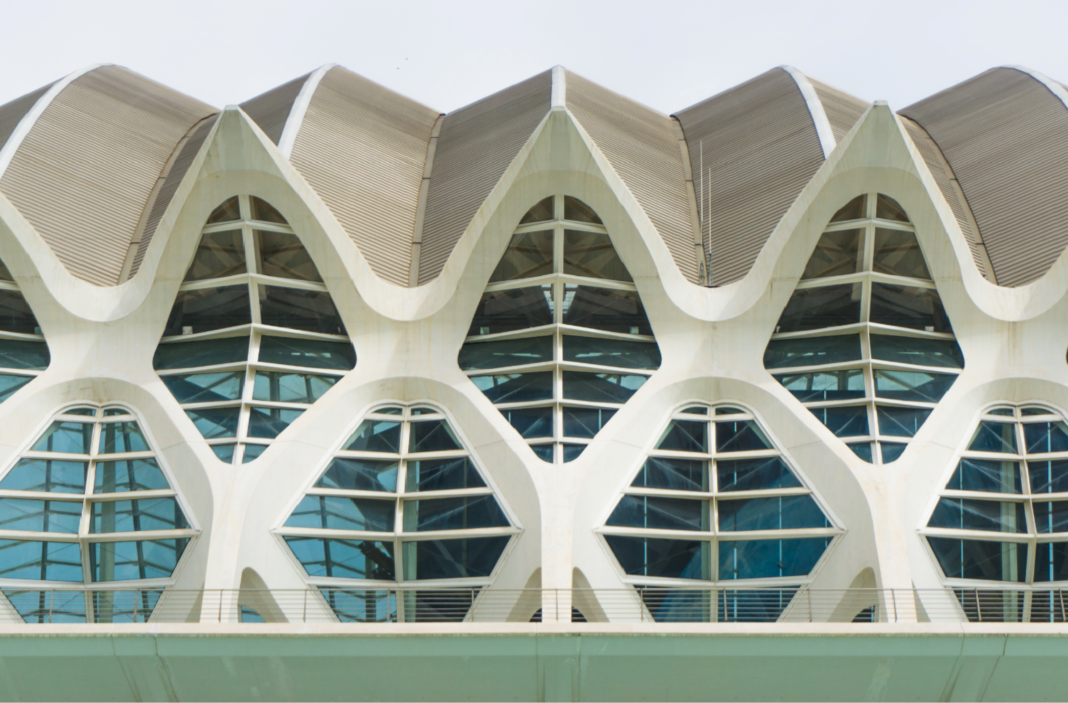
- A. Optimized Structures: In architecture, generative design can be used to create structures that are both aesthetically striking and highly efficient. An AI can design a building’s facade to maximize natural light and minimize heat gain, or it can optimize a building’s internal frame to use the least amount of material while maintaining structural integrity. This leads to more sustainable and cost-effective construction.
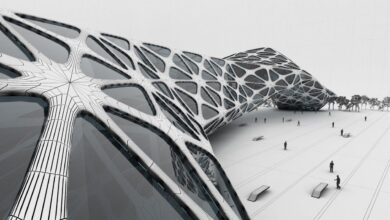
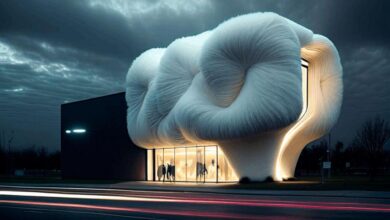
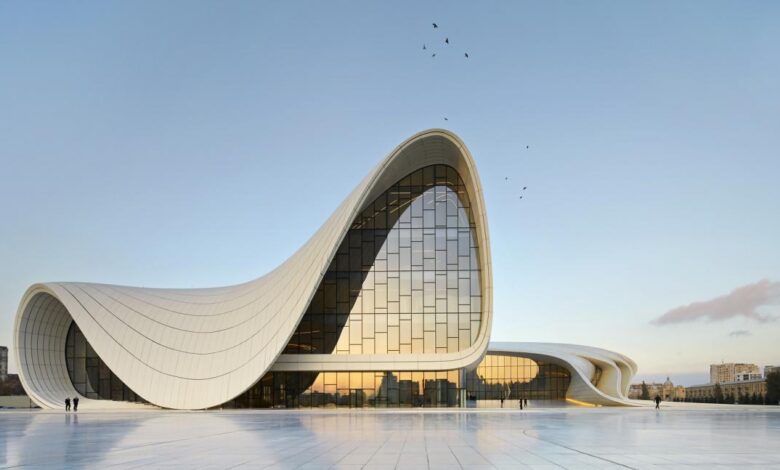
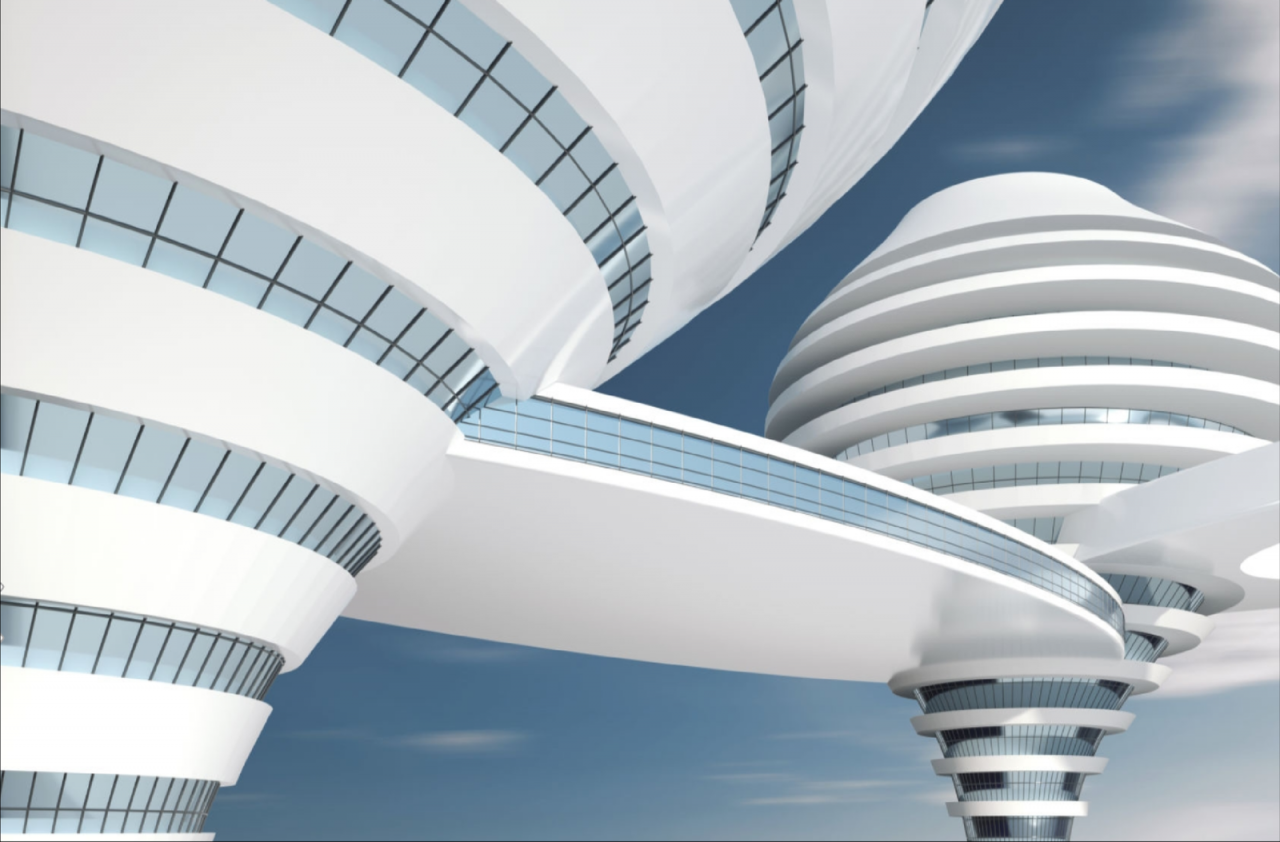
- B. Innovative Forms: Generative design is pushing the boundaries of what is possible to build. It can create complex, organic forms that would be nearly impossible to design and engineer by hand. This has opened up new avenues for artistic expression and a new architectural language that is rooted in data and optimization.
- C. Urban Planning and Optimization: On a macro level, generative design can be used to optimize urban spaces. An AI can analyze pedestrian traffic, public transit routes, and population density to design a public park or a new residential complex that is both beautiful and highly functional for the community it serves.
Product and Industrial Design
- A. Lighter, Stronger Products: In industries like automotive and aerospace, weight is a critical factor. Generative design can create components that are significantly lighter than their traditional counterparts while maintaining or even increasing their strength. An AI can analyze the stresses on a part and remove all unnecessary material, creating a lightweight, organic-looking structure that is perfectly optimized for its purpose.
- B. Customization at Scale: Generative design makes it possible to create highly customized products without the high cost of traditional custom manufacturing. An AI can be used to generate a product that is perfectly tailored to a customer’s specific needs, from the ergonomics of a chair to the fit of a prosthetic limb.
- C. Accelerated Prototyping: The speed of generative design allows for a much faster prototyping process. Instead of spending weeks or months on a single design, a company can generate and test dozens of different design iterations in a fraction of the time, allowing them to bring a new product to market more quickly.
The Challenges and the Ethical Questions
While generative design offers immense promise, it is not without its challenges and ethical questions.
- A. The “Black Box” Problem: The designs generated by AI can sometimes be so complex and counter-intuitive that it is difficult for a human to understand how they work or why the AI made the decisions it did. This lack of transparency can be a major hurdle, especially in industries where safety and reliability are paramount.
- B. The Role of the Designer: As generative design becomes more powerful, it raises fundamental questions about the role of the human designer. Will designers become obsolete? Or will their role evolve from “maker” to “curator” and “strategist”? The consensus is that the human element—creativity, intuition, and empathy—will remain a critical part of the process.
- C. Ethical Considerations: As AI is used to design our products and our environments, ethical questions arise. If an AI is used to design a building that is optimized for efficiency but is lacking in human comfort or beauty, whose fault is it? How do we ensure that the algorithms we use are not biased and that they are designed to prioritize human well-being?
Conclusion
Generative design is more than a new tool; it is a new way of thinking. It is a powerful collaboration between human creativity and artificial intelligence that is pushing the boundaries of what is possible to create. It is a profound acknowledgment that the human mind, while brilliant, has its limitations. By leveraging the computational power of AI, designers can now explore a vast universe of possibilities that were previously inaccessible, leading to products and structures that are not just beautiful, but also more efficient, more sustainable, and more resilient.
This is a fundamental shift in the creative process, one that moves the designer’s role from a solitary creator to a visionary conductor. The future of design will be defined by the quality of the questions we ask, the parameters we set, and our ability to curate and refine the solutions that AI provides. The designs of tomorrow will be a testament to this unique partnership, a powerful blend of human empathy and algorithmic precision. This is the era of augmented creativity, and it is a future that promises to be more innovative, more sustainable, and more beautiful than anything we have ever imagined.