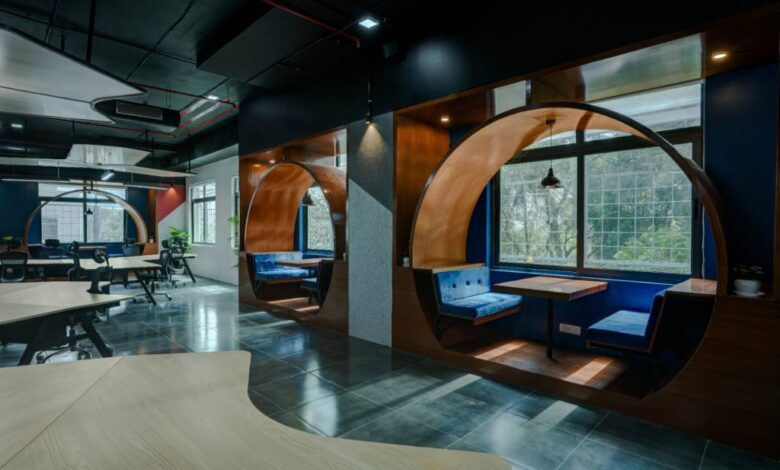
For centuries, architecture has been largely defined by form and function, an art of creating structures that are impressive, efficient, and durable. However, a new, more profound philosophy is taking hold: human-centric space design. This isn’t just about building beautiful spaces; it’s about a complete reorientation of architecture around the needs, well-being, and psychological comfort of the people who inhabit them. It is a powerful response to the modern urban condition, where our environments often feel sterile, isolating, and disconnected from our innate human needs. Human-centric design recognizes that the spaces we live, work, and play in are not passive backdrops to our lives, but active participants that can profoundly influence our health, happiness, and productivity. This article will serve as a comprehensive exploration of this revolutionary approach, delving into its core principles, the scientific evidence that supports it, and the innovative ways architects and designers are using it to create environments that are not just functional, but truly transformative. We will examine how this philosophy is reshaping everything from offices and homes to schools and hospitals, moving us toward a future where our built world is designed not just for efficiency, but for human flourishing.
The Science of Space
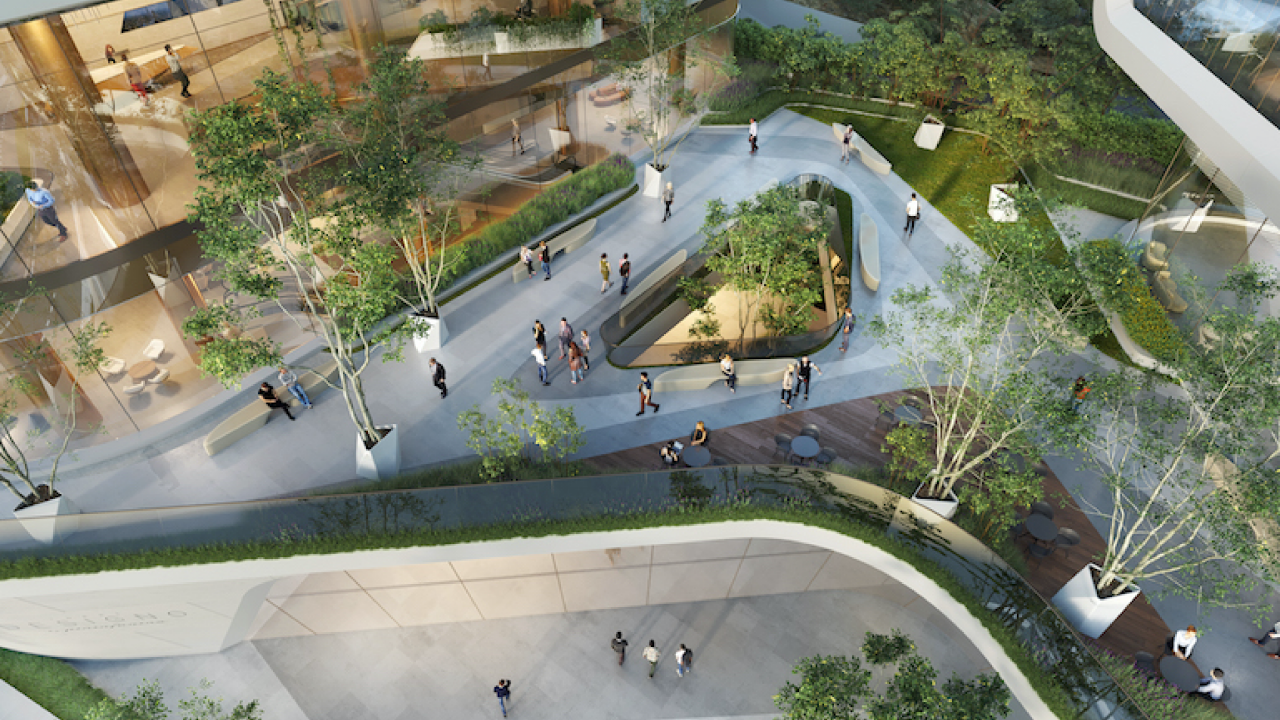
The shift to human-centric design is not based on a feeling or a trend; it’s rooted in a growing body of scientific research that demonstrates the undeniable link between our environment and our well-being.
A. The Psychology of Color and Light:
Our brains are hardwired to respond to color and light in specific ways. Bright, natural light regulates our circadian rhythms, improving sleep quality and boosting mood. Exposure to blue light from screens at night, however, can disrupt our sleep cycles. Similarly, different colors can evoke different psychological responses. A study by the University of Texas found that exposure to natural light in an office setting could improve alertness and cognitive performance. A simple change in lighting can have a profound impact on a person’s physical and mental state.
B. Biophilia: Our Innate Connection to Nature:
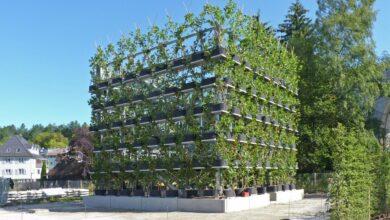
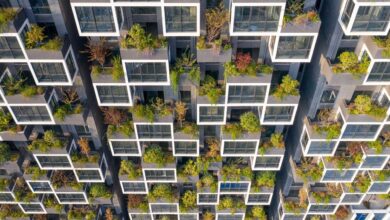
As explored in a previous article, humans have an innate affinity for nature, a concept known as biophilia. The presence of natural elements in a space—from a view of a tree to an indoor living wall—has been shown to reduce stress, lower heart rate, and improve focus. This is why a simple walk in a park or a moment spent near a fountain can feel so restorative. Human-centric design leverages this innate connection by weaving natural elements into the fabric of a building’s interior and exterior.
C. The Impact of Acoustic and Thermal Comfort:
The subtle, often unnoticed aspects of a space can have a major impact on our well-being. Excessive noise, for example, can be a major source of stress and distraction, leading to reduced productivity and increased anxiety. A space that is too hot or too cold can also be a significant source of discomfort. Human-centric design prioritizes creating a comfortable thermal and acoustic environment, ensuring that a person can focus on their work or relax in their home without being distracted by these environmental stressors.
Core Principles of Human-Centric Design
A human-centric design approach is not a checklist of features, but a set of guiding principles that inform every design decision.
Focusing on Individual Well-being
- A. Choice and Control: A human-centric space is one that gives its occupants a degree of control over their environment. This can be as simple as allowing an employee to adjust the lighting and temperature in their workspace, or as complex as a home automation system that allows a resident to manage every aspect of their living environment. This sense of control reduces stress and fosters a feeling of ownership and comfort.
- B. Sensory Richness: A space that engages all five senses is one that is more likely to be psychologically enriching. This includes the tactile feel of natural materials like wood and stone, the scent of fresh air and plants, and the soothing sound of a water feature. By creating a multi-sensory experience, designers can create a more immersive and restorative environment.
- C. Ergonomics and Comfort: Designing spaces that are physically comfortable is a foundational principle. This includes everything from the height of a countertop in a kitchen to the design of a chair in an office. A human-centric design prioritizes ergonomic solutions that support the body’s natural posture and reduce physical strain.
Building a Sense of Community and Connection
- A. Spaces for Interaction: In an age of digital isolation, the physical spaces we inhabit can either perpetuate this isolation or work against it. Human-centric design prioritizes creating spaces that encourage social interaction and collaboration. This could be a central community table in a co-working space, a shared kitchen in a multi-family building, or a public square in a neighborhood that is designed to be a gathering place.
- B. Transparency and Accessibility: A well-designed space is one that is intuitive and easy to navigate. It uses clear sightlines, natural light, and simple, logical layouts to help people feel comfortable and oriented. It is also a space that is designed for everyone, with an emphasis on universal design principles that ensure accessibility for people of all abilities.
- C. Privacy and Retreat: While community and interaction are important, so is the need for privacy and a space to retreat. A human-centric design provides a balance, offering both open, collaborative spaces and quiet, private zones where a person can go to focus on work or simply be alone.
Human-Centric Design in Action
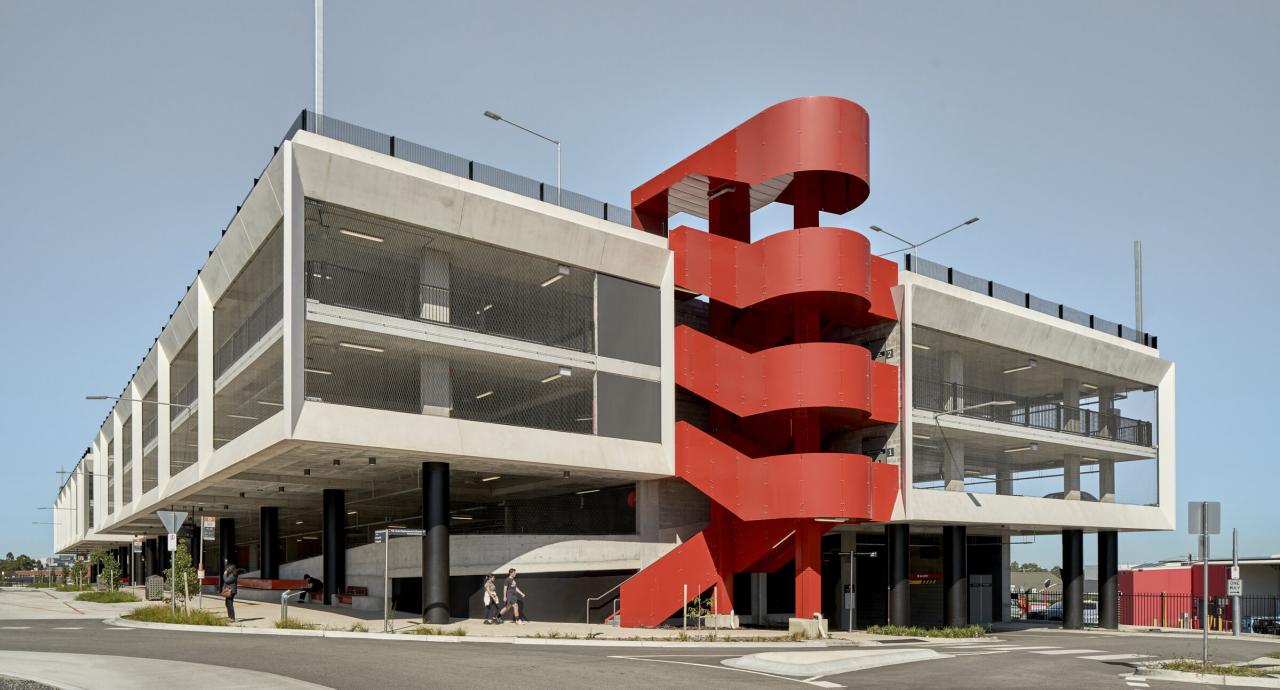
The principles of human-centric design are being applied in innovative ways across a range of different building types.
The Modern Office
The traditional office, with its rows of identical cubicles, is giving way to a new model that prioritizes collaboration, flexibility, and employee well-being. A human-centric office will have a variety of spaces—from quiet, private pods for focused work to open, collaborative hubs for team meetings. It will also be infused with natural elements, from living walls to lush indoor gardens, creating an environment that is not just a place to work, but a place to thrive.
Healthcare and Education
Hospitals and schools are at the forefront of this movement. In healthcare, human-centric design is about creating spaces that reduce patient anxiety, promote healing, and support the well-being of doctors and nurses. This includes maximizing natural light, using soothing colors, and creating quiet, contemplative spaces for rest and recovery. In education, a human-centric classroom is designed to be flexible, allowing for different learning styles and encouraging collaboration, while also incorporating natural elements and good ventilation to improve student focus and health.
The Home
For the residential sector, human-centric design is about creating a personal sanctuary that is a true reflection of the people who live in it. It’s about designing a space that is not just aesthetically pleasing, but also deeply comfortable, healthy, and restorative. This could be a home that is designed to maximize natural light and a connection to the outdoors, or a smart home that automates routines to reduce daily stress and give residents more time for what matters.
The Future is Human-Centered
As technology becomes more integrated into our lives, the importance of our physical environment will only continue to grow. The future of human-centric design will be shaped by a few key trends.
- A. AI and Personalized Spaces: The future smart home or smart office will use AI to learn an occupant’s preferences and automatically adjust the lighting, temperature, and even the music to create a truly personalized environment. The building will not just respond to our needs; it will proactively anticipate them.
- B. Biomaterials and Regenerative Design: We are moving beyond just adding plants to a room. The future will see the rise of biomaterials—like mycelium bricks or self-healing concrete—that are not just sustainable but actively contribute to a healthier environment. Our buildings will not just be passive objects in our environments; they will be living, regenerative organisms.
- C. The Democratization of Design: The principles of human-centric design will become more accessible to a wider population. The use of prefabricated, modular units that are designed with human well-being in mind will make it possible for everyone to have access to a healthier, more comfortable living and working environment.
Conclusion
Human-centric space design is more than a fleeting trend in architecture; it is a fundamental and necessary reorientation of our built world. It is a powerful acknowledgment that our environments are not neutral containers for our lives, but active participants that can either enhance our health, happiness, and productivity or detract from them. By designing spaces that are infused with natural elements, optimized for comfort, and built to foster a sense of community, architects and designers are not just creating structures; they are creating experiences that support our well-being and help us to live more fulfilling lives.
The journey to a more human-centered world requires a collective effort. It demands that we move beyond a focus on aesthetics and cost and to embrace a new set of values where the health and happiness of the occupants are the primary measure of a project’s success. It requires a shift in mindset from building for machines and efficiency to designing for humanity and empathy. The future of architecture will be defined not by the height of our skyscrapers or the complexity of their forms, but by their ability to connect us to nature, to each other, and to the very best parts of ourselves. The era of human-centric design is not just on the horizon; it is the new blueprint for a better, more humane world.