The discipline of architecture, long rooted in tradition, artistry, and the meticulous process of drafting by hand, is on the verge of a profound and irreversible transformation. For centuries, architects have been the sole arbiters of design, relying on their intuition, experience, and knowledge of building physics to shape our environments. Today, however, a new creative partner has emerged: Artificial Intelligence (AI). Far from being a mere tool, AI is fundamentally reshaping every aspect of the architectural process, from the initial concept and design to construction and the long-term performance of a building. This isn’t just about using smarter software; it’s about a complete paradigm shift, where human creativity is augmented by computational power to solve complex problems and create designs that were previously unimaginable. This article will serve as a comprehensive exploration of how AI is shaping modern architecture, delving into the core technologies, their practical applications, and the ethical and creative questions they raise. We will examine the ways AI is democratizing design, optimizing sustainability, and unlocking new forms of creativity, all while redefining the very role of the architect in the 21st century.
The AI Toolkit for Architects
The integration of AI into architecture is not a single, monolithic event, but rather a series of interconnected innovations that are changing how architects work. These tools are transforming the design process from a linear, trial-and-error approach into a dynamic, data-driven system.
A. Generative Design: Beyond the Human Imagination
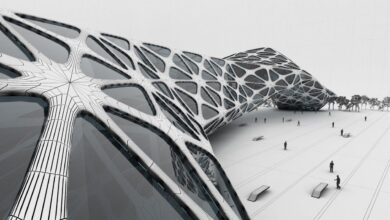
Perhaps the most revolutionary application of AI in architecture is generative design. Instead of an architect starting with a blank canvas, they provide an AI with a set of parameters, constraints, and goals—such as maximizing natural light, minimizing structural material, or optimizing for a specific aesthetic. The AI then generates thousands of potential design solutions, many of which a human would never have conceived. This process doesn’t just produce a single design; it provides a spectrum of optimized options, giving the architect a powerful tool for exploration and a new starting point for their creative work. It moves the architect’s role from “designer” to “editor” and “curator,” allowing them to focus on the human and cultural aspects of the project.
B. Parametric Modeling and Optimization
While parametric design has been in use for some time, AI takes it to the next level. AI algorithms can analyze complex data sets—like sun angles, wind patterns, and material costs—to automatically adjust and refine a building’s form. An architect can create a basic parametric model, and the AI will optimize it for energy efficiency, structural integrity, and cost-effectiveness. This is particularly valuable for complex and large-scale projects, where a human-driven optimization process would be prohibitively time-consuming.
C. Predictive Analysis for Sustainability
Sustainability is no longer a buzzword; it’s a moral and economic imperative. AI is proving to be a game-changer in this area. AI models can predict a building’s energy consumption before it’s even built, analyzing everything from insulation materials to window placement and HVAC systems. By running thousands of simulations, AI can help architects design a building that is not just aesthetically pleasing but also a net-zero or even energy-positive structure. This predictive capability allows for smarter, more sustainable design choices from the very beginning of a project, significantly reducing the building’s long-term environmental footprint.
Redefining the Architect’s Role

The rise of AI doesn’t diminish the role of the architect; it elevates it. The architect of the future will be a different kind of professional, one whose expertise is in guiding and conducting a data-driven process, not just in creating a single design.
- A. The Architect as a Data Strategist: The new architect must be a data strategist, skilled at defining the right parameters and goals for an AI to work with. They will be responsible for translating a client’s needs and a site’s specific context into a language that an AI can understand and process. Their value will lie in their ability to ask the right questions, not just in their ability to draw a perfect line.
- B. The Architect as an Ethical Custodian: As AI becomes more powerful, it will be up to the architect to ensure that the designs it generates are not only efficient but also ethical and humane. This means considering social equity, cultural context, and the psychological impact of a space. AI can optimize for cost, but a human must ensure the design doesn’t dehumanize the people who will live and work in it.
- C. The Architect as a Communicator: The future architect will need to be an excellent communicator, capable of explaining the complex, AI-driven design process to clients, stakeholders, and the public. They will need to tell the story of a building not just in terms of its aesthetics, but also in terms of its performance, efficiency, and the unique, data-driven process that brought it to life.
AI in Construction and Long-Term Operations
The impact of AI extends far beyond the design phase, touching every part of a building’s lifecycle.
- A. Automated Construction Management: AI algorithms can optimize construction schedules, predict potential delays, and manage supply chains in real-time. This can lead to significant cost savings and reduced project timelines. AI-powered robots and drones can also be used for everything from site surveying to precise material placement, increasing efficiency and safety on the job site.
- B. Smart Buildings and Predictive Maintenance: Once a building is complete, AI becomes its operational brain. AI-powered building management systems can learn occupant behavior and adjust lighting, temperature, and ventilation in real-time to maximize comfort and minimize energy use. Predictive maintenance algorithms can analyze data from sensors to identify potential equipment failures before they happen, allowing for preventative repairs that save money and prevent disruptions.
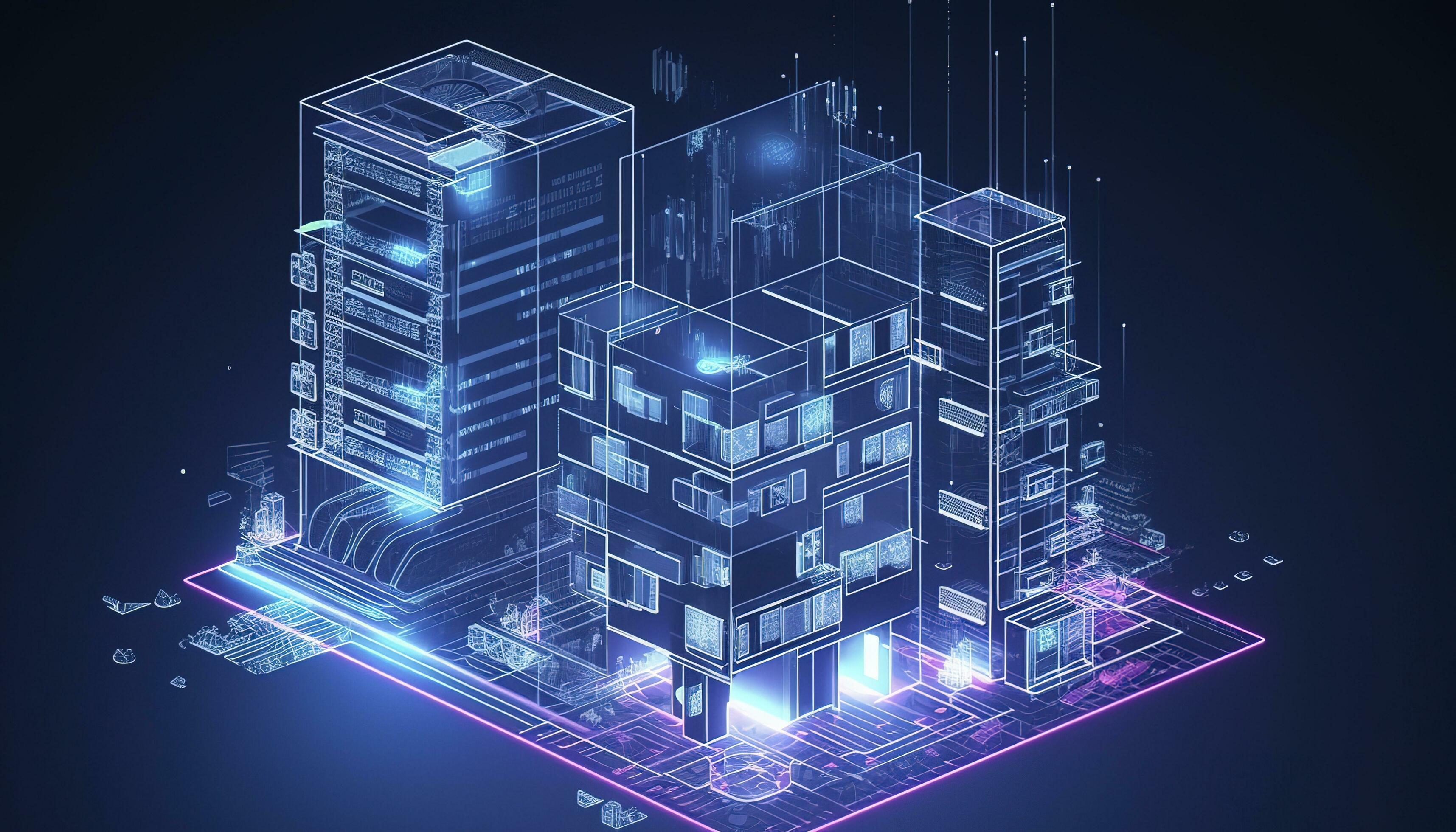
- C. The Digital Twin: AI helps create a “digital twin” of a building—a virtual, real-time replica that can be used to simulate changes, test new systems, and monitor performance. This digital twin becomes a living, breathing blueprint that allows for continuous optimization throughout a building’s lifespan.
The Human Element
The greatest fear surrounding AI in creative fields is that it will replace human creativity. However, most experts agree that AI is a tool for augmentation, not replacement.
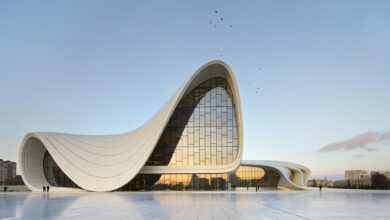
- A. Unlocking New Creative Forms: AI can explore structural geometries and material combinations that would be impossible for a human to calculate and visualize. This opens up new avenues for artistic expression and allows architects to push the boundaries of what is possible.
- B. The Importance of Intuition and Empathy: While AI can optimize for efficiency, it cannot understand human emotion, cultural context, or the feeling a space evokes. The human architect’s role in understanding and responding to these deeply personal and subjective needs is more critical than ever.
- C. The Collaboration: The future of architecture is not AI versus human; it’s AI and human. It is a collaborative process where the architect brings the vision, the empathy, and the understanding of human need, and the AI provides the computational power to make that vision a reality in the most efficient and sustainable way possible.
Conclusion
The integration of AI into modern architecture is not merely an evolutionary step; it is a revolutionary leap that marks the beginning of a new chapter in the history of building design. AI is transforming the architect’s role from a solitary creative genius into a collaborative conductor of a powerful, data-driven symphony. The future of architecture will be characterized by buildings that are not only beautiful and functional but also intelligent, sustainable, and deeply responsive to the needs of their inhabitants and the planet.
This transformation requires a fundamental re-evaluation of how architects are trained and how firms operate. It demands a new curriculum that blends traditional design skills with data science, programming, and a strong ethical framework. It also requires a cultural shift within the industry, moving away from a reliance on established methods and toward a embrace of continuous innovation and experimentation. The challenges are real—from the high cost of new software to the ethical dilemmas of algorithmic design—but the opportunities are immense.
The ultimate goal of AI in architecture is not to automate creativity but to liberate it. By handling the complex, repetitive, and computationally intensive tasks, AI frees up the human architect to focus on the things that truly matter: crafting a compelling vision, telling a powerful story, and designing spaces that inspire, comfort, and enrich the human experience. The buildings of tomorrow will be a testament to this unique partnership between human intuition and artificial intelligence, a collaboration that will shape the urban landscapes of the future.